
Anxiety Disorder Symptoms: 15 Warning Signs You Should Not Ignore
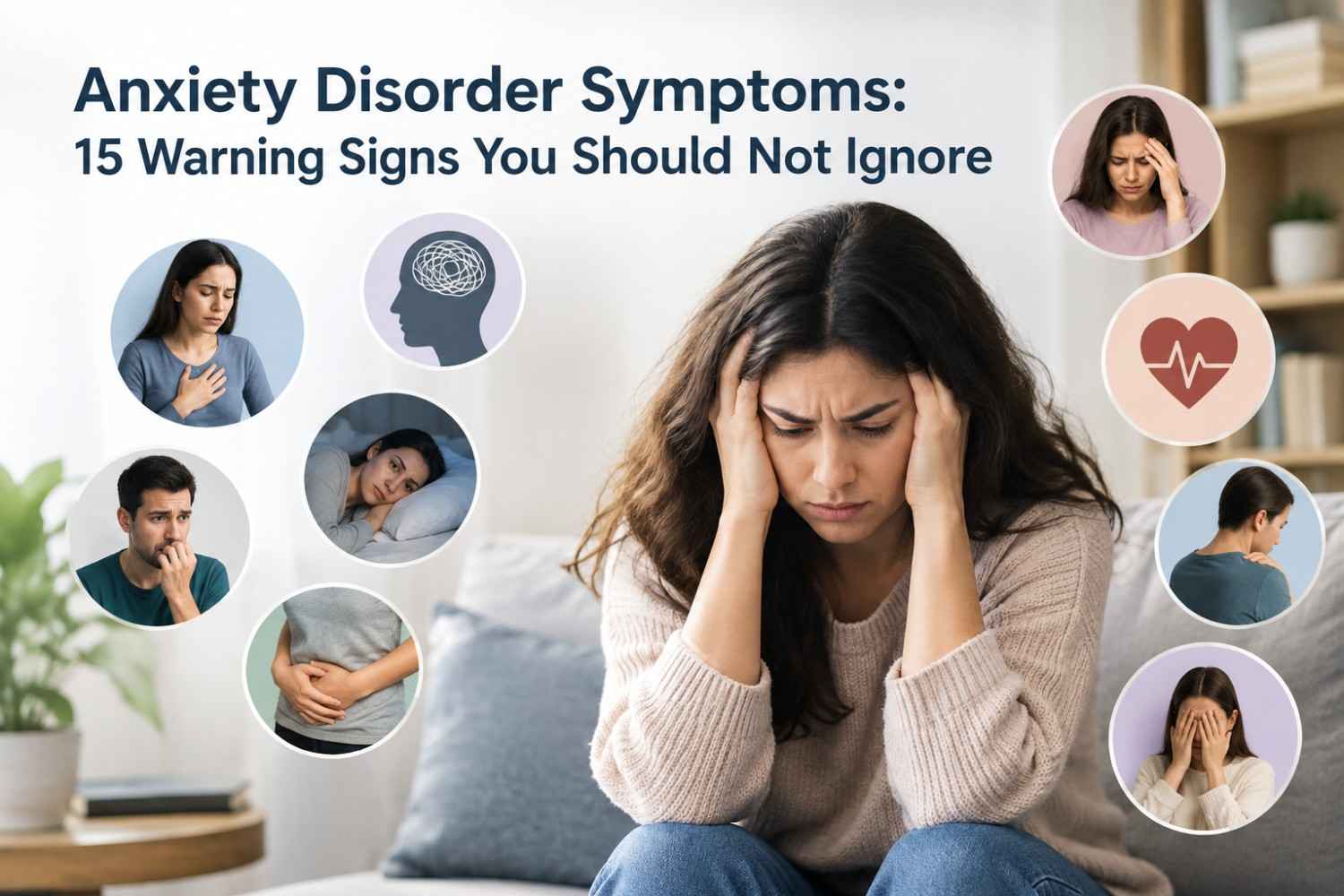
Anxiety Disorder Symptoms: 15 Warning Signs You Should Not Ignore
Have you ever felt nervous for no clear reason? Maybe your heart suddenly starts racing, your mind refuses to relax, or you keep imagining that something bad might happen. A little worry is part of life, but feeling this way almost every day can become exhausting.
Sometimes, these feelings point to something more than everyday stress. Understanding anxiety disorder symptoms can help you recognise the warning signs before they begin affecting your health, sleep, relationships, and daily routine. Professional support, including Anxiety disorder cognitive behavioural therapy in Noida, may help you understand your thoughts and manage anxiety more effectively.
The tricky part? Anxiety doesn't always look like anxiety. Sometimes it feels like a stomach problem, a headache, or tiredness that won't go away.
What Is an Anxiety Disorder?
Anxiety is the natural response of the body to any form of stress or any kind of danger. Anxiety makes sure that you remain alert because there is something which needs to be taken care of.
However, the symptoms of the anxiety disorder make you feel worried or fearful even though there is nothing to fear at all. These feelings last for prolonged periods of time and hinder your regular activities.
It is normal to feel nervous about an interview. However, constantly worrying about losing the job despite performing well at work indicates that there is some serious problem.
Thus, anxiety disorders affect you mentally and physically as well.
15 Common Anxiety Disorder Symptoms You Should Know
1. Constant Worrying About Small Things
Are you often plagued with worry about things that do not bother others at all?
Maybe you spend hours worrying about money, family, health, or the future. Even after getting reassurance from others, you continue worrying.
Persistently worrying is one of the most common anxiety disorder symptoms, especially those with generalized anxiety disorder.
2. Feeling Restless All the Time
You settle down to unwind, but something just doesn’t seem right.
You might find yourself fidgeting, having trouble sitting still, or being extremely uncomfortable for reasons you don’t understand.
This discomfort can be caused by anxiety that leaves your body on edge even when you are perfectly safe.
3. Sudden Increase in Heartbeat
If one feels nervousness, he or she may start to feel palpitation.
Sometimes, it happens because of certain stress situations, whereas at other times there is no reason behind it at all.
However, despite the reason being nervousness for palpitations, there can be other reasons for palpitations too, which may even include heart ailments.
4. Difficulty Sleeping at Night
During the entire day, you feel extremely tired, but just when you go to bed, you mind starts working actively.
You start recalling conversations, making plans for the future, or worrying about things that will never happen.
Anxiety may keep you awake or make you have sleepless nights.
5. Trouble Concentrating on Daily Tasks
Even small activities can be hard due to anxiety.
You may miss out on crucial information, get distracted while talking, or keep rereading the same sentence.
When your brain gets exhausted by thinking too much, focusing on anything else becomes harder.
6. Frequent Headaches and Muscle Tension
Not only does anxiety have an impact on your thoughts, but it can cause muscle tension as well.
You may feel tightness in your neck, shoulders, or jaw. Headaches are also common symptoms for some individuals.
But there are numerous potential causes of headaches. In case they become chronic, intense, or atypical, consult a medical specialist.
7. Feeling Tired Without Doing Much
Have you ever found yourself thoroughly worn out from an entire day of stressing out?
Stress can cause you to become physically drained.
Insomnia, ongoing tension, and anxiety may be some reasons why you feel fatigued, even if you have not been physically active.
8. Shortness of Breath
Sometimes, anxiety causes one to have fast breathing.
One cannot get a proper breath, particularly when experiencing acute fear.
This may be scary. Nevertheless, breathing issues can signal something more serious. It is advisable to seek medical attention if you experience sudden or severe breathing issues.
9. Excessive Sweating or Shaking
Sweating palms, shaky fingers, or shaking legs may occur in case of anxiety.
Your body secretes stress hormones due to feeling threatened. This helps you respond rapidly to the threat.
The trouble is that your body responds the same way even when there is no real threat.
10. Stomach Problems and Nausea
Did you ever have butterflies in your stomach before a big meeting?
Anxiety may give you similar symptoms, such as nausea, stomach pain, or indigestion.
The brain and the digestive system are well connected, so emotional problems may affect your stomach.
11. Getting Irritated Over Small Things
Fear is not always the symptom of anxiety.
It sometimes makes people highly impatient and frustrated.
Small delays, common queries, and situations that never bothered you before could irritate you.
This could have a negative impact on your interpersonal relations since those surrounding you may not be aware of your condition.
12. Sudden Panic or Intense Fear
Some people have episodes of fear referred to as panic attacks.
The symptoms of panic attack include a pounding heart rate, dizziness, sweating, trembling, or the sensation that something horrible will happen soon.
A panic attack is an overwhelming event. Nonetheless, one panic attack does not necessarily mean that a person has panic disorder.
13. Avoiding People or Social Situations
Are you prone to canceling your plans due to fear of encountering new people?
There are some individuals who avoid socializing, making presentations, or engaging in conversations out of fear of being embarrassed or criticized.
If you have a high level of anxiety that persists consistently, then chances are you might be suffering from social anxiety disorder Symptoms.
14. Always Expecting the Worst
Your friend fails to respond to the phone call, and you instantly think of an accident.
Your boss calls for a meeting, and you start thinking of losing your job.
This tendency of anticipating the worst may come along with anxiety. It usually amplifies the normal uncertainty to a great extent.
15. Feeling That Something Bad Will Happen
A worrying sign of anxiety is when you always have the feeling that there’s something wrong.
It can make you feel unsafe, nervous, or afraid but you don’t know why.
Once this feeling starts to affect your daily life, you should consult a professional regarding your mental health.
When Should You Seek Help for Anxiety?
Being anxious sometimes does not imply that one is suffering from anxiety disorder symptoms. However, once fear begins to dictate your activities, relationships, and even decisions, then you need not overlook the matter.
Individuals at Niramaya The Mind Centre can get professional advice to help them identify their mental issues.
According to Dr. Sanjeev Kalra, mental well-being requires an integrated approach to the management of one’s own symptoms.
Seeking medical attention is required if one’s anxiety cannot be controlled and hampers the performance of daily tasks.
How Can Cognitive Behavioural Therapy Help With Anxiety?
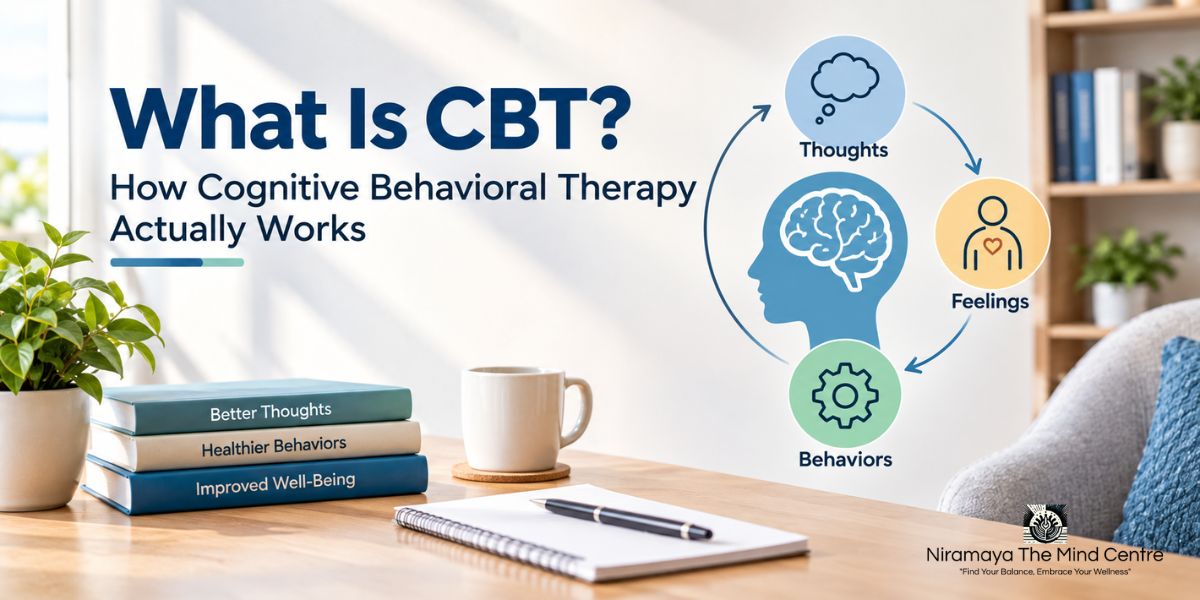
Cognitive Behavioral Therapy (CBT) is a technique that helps you understand how your thinking affects your feelings and actions.
For instance, you do something wrong at work. Rather than viewing this as a situation that can be corrected, your thoughts immediately jump to the conclusion that you will lose your job.
In CBT, such thoughts will be reviewed and evaluated in light of the evidence, and a more balanced response will be elicited.
Those looking into Anxiety Disorder cognitive behavioral therapy in Noida may find out how CBT can help to handle excessive worrying, fears, and avoidance.
At Niramaya The Mind Centre, CBT is one of the methods used at this centre. The team will discuss treatment choices considering individual problems.
Can Anxiety and Depression Happen Together?
Yes. It’s possible that people suffer from anxiety and depression simultaneously.
You could go about your whole day stressing out about everything but feeling sad, tired, or lacking interest in things you once enjoyed.
When you search for Anxiety depression treatment in Noida, you should have a complete mental health evaluation done in order to recognize what you need to address.
Niramaya The Mind Centre has an integrated approach to mental wellbeing. Dr. Sanjeev Kalra is a professional working in their mental healthcare center.
Simple Ways to Manage Anxiety in Everyday Life
Professional treatment is one of the great options for your problem, but your lifestyle matters as well.
Try to develop a healthy sleeping schedule, do some walking and physical exercises, eat at the same time and try not to consume any caffeine in case it provokes your anxiety attacks.
Deep breathing and relaxing are helpful techniques that you may apply when you face stress. However, such techniques will work for your treatment but won't become a substitute for professional help in case your problems affect your life.
If you need Anxiety disorder cognitive behavioral therapy in Chandigarh, you should visit some specialists in this field.
In case you need Anxiety disorder cognitive behavioural therapy in Noida, Niramaya The Mind Centre is a good place to find information on CBT practice. At the moment their contact page mentions only tele-consultations.
Conclusion
The symptoms of anxiety might be invisible some time. These are symptoms such as too much worrying, insomnia, headaches all the time and rapid heart beat. By knowing the symptoms of anxiety disorders, you will know when you need to have some form of psychological treatment.
If the anxiety is affecting your daily routine, it is better that you get help from an expert. We are Niramaya The Mind Centre under the leadership of Dr. Sanjeev Kalra.
Do not hesitate to contact us and get assistance with treatment options that suit you. Take the first step to good mental well-being.