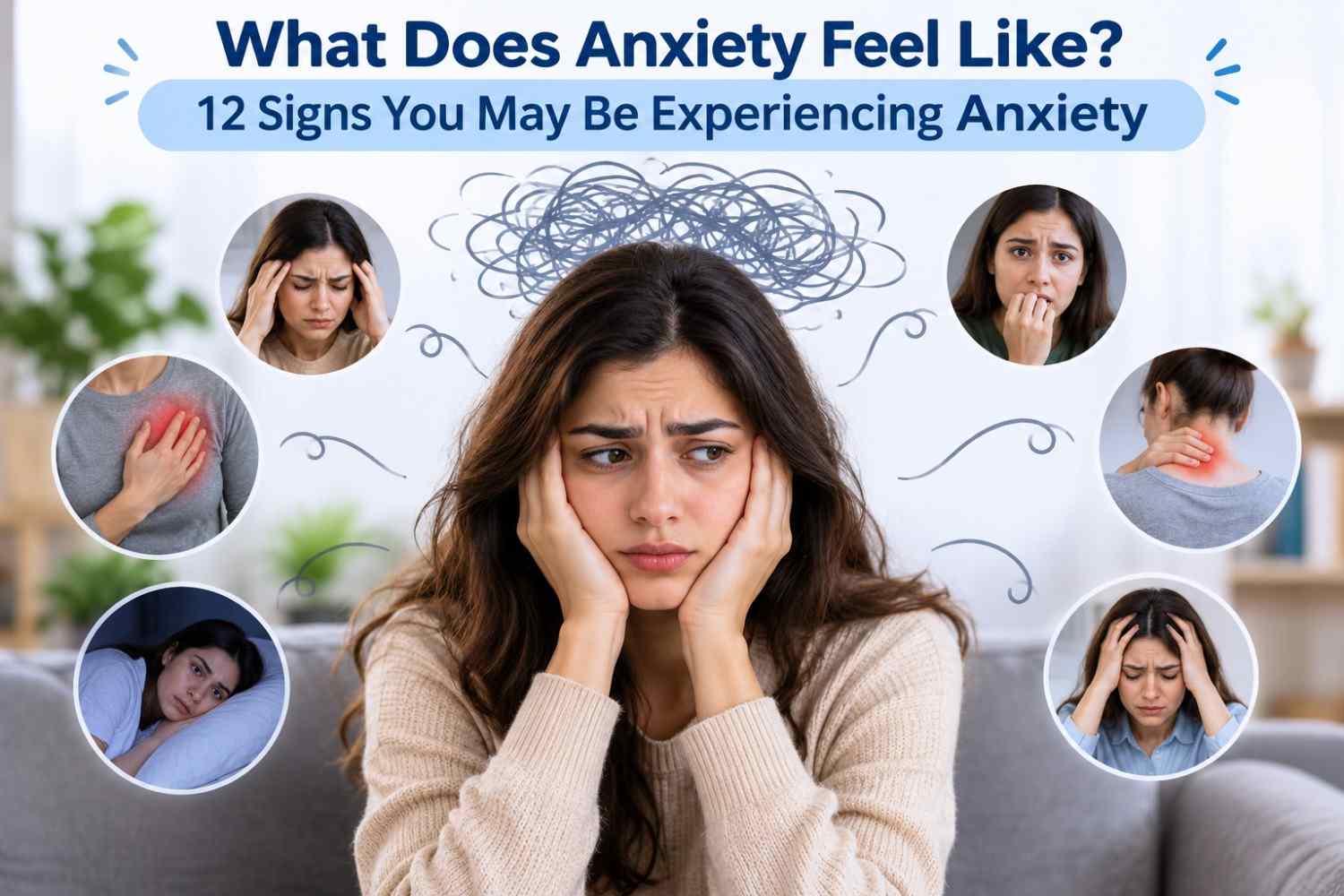

Personality Disorders treatment: Types, Symptoms, Causes and Treatment Options
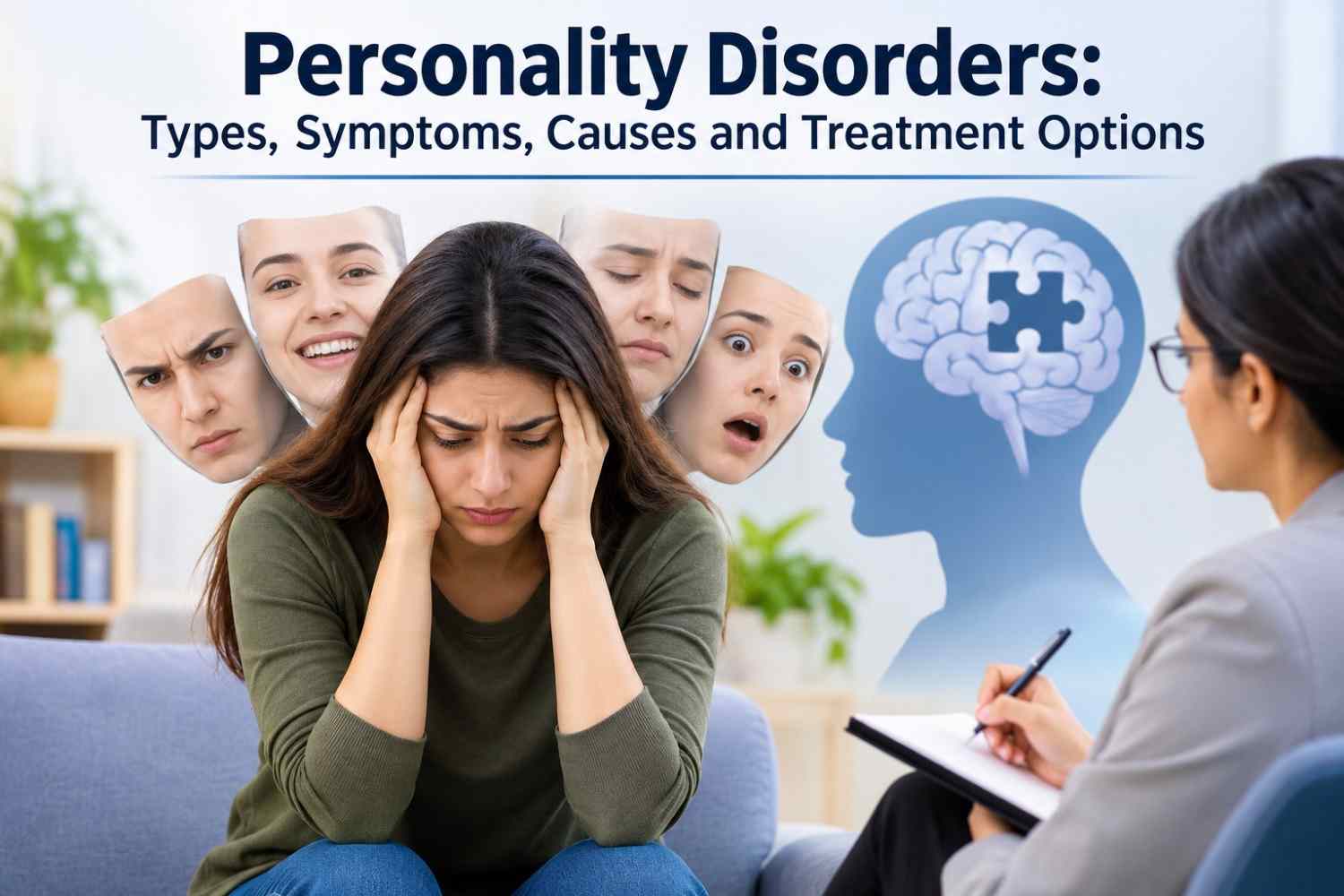
Personality Disorders treatment: Types, Symptoms, Causes and Treatment Options
Personality plays an important role in how people think, feel, communicate and respond to everyday situations. However, when certain patterns of thinking and behaviour become persistent and start affecting relationships, work or daily activities, they may indicate a personality disorder. Understanding these patterns can help individuals recognise when professional support may be necessary. People exploring Personality disorder treatment in Noida should understand the importance of proper assessment and personalised mental healthcare. At Niramaya The Mind Centre, mental health awareness and professional guidance are important aspects of helping individuals understand emotional and behavioural concerns.
What Are Personality Disorders?
Personality disorders are defined as mental health disorders that include enduring patterns of thinking, feeling, and behavior that deviate markedly from the expectations of the individual’s culture.
Each person has his or her own unique personality. Some people feel comfortable in their own company, while some others like to interact with other people. Anger, fear, insecurity, or emotional responses do not necessarily constitute a mental health problem.
The problem can emerge when such behavioral patterns become rigid, persistent and cause trouble in people’s personal or professional lives. Proper diagnosis of these patterns will help recognize the need for personality disorder treatment.
What Are the Different Types of Personality Disorders?
According to mental health experts, there are three classifications of personality disorders, which are classified as Cluster A, Cluster B and Cluster C.
1. Cluster A: Unusual or Suspicious Behaviour
This group includes personality disorders associated with unusual thinking, social difficulties, or persistent distrust.
Paranoid Personality Disorder: Individuals may frequently suspect others of having harmful intentions, even without sufficient evidence.
Schizoid Personality Disorder: People may show limited interest in close relationships and prefer spending time alone.
Schizotypal Personality Disorder: Individuals may experience unusual beliefs, unconventional behavior, and difficulties developing close relationships.
2. Cluster B: Emotional and Unpredictable Behaviour
These conditions may involve difficulties managing emotions, impulses, and interpersonal relationships.
Antisocial Personality Disorder: This condition involves persistent patterns of disregarding the rights of others and social responsibilities.
Borderline Personality Disorder: Common characteristics include emotional instability, fear of abandonment, impulsive behavior, and unstable relationships.
Histrionic Personality Disorder: Individuals may demonstrate excessive emotional expression and a strong desire for attention.
Narcissistic Personality Disorder: This may involve an exaggerated sense of self-importance, a strong need for admiration, and difficulties recognizing other people's feelings.
3. Cluster C: Anxious or Fearful Behaviour
This group includes conditions associated with anxiety, insecurity, and a strong need for control.
Avoidant Personality Disorder: Individuals may avoid social situations because of fear of rejection, criticism, or embarrassment.
Dependent Personality Disorder: A person may experience difficulty making independent decisions and fear losing support from others.
Obsessive-Compulsive Personality Disorder: This condition may involve persistent perfectionism, excessive concern with rules, and a strong need for order and control.
These traditional categories help in explaining various patterns, but the severity of personality problems and individual differences are also considered by mental health professionals.
Also Read : what to eat early morning empty stomach to avoid acidity
Common Personality Disorder Symptoms to Recognise
The Personality disorder symptoms vary from one patient to the other. They are dependent on the experiences and behavior of the individual concerned.
Some commonly recognised signs include:
Difficulty managing anger or strong emotions.
Repeated conflicts in personal relationships.
Fear of rejection, criticism or abandonment.
Impulsive decisions without considering consequences.
Persistent suspicion or distrust of other people.
Difficulty accepting different opinions.
Excessive perfectionism or a need to control situations.
Avoiding social interactions because of insecurity.
Difficulty understanding or responding to other people's emotions.
Exhibiting a few of such behaviors doesn’t necessarily mean having a personality disorder. This needs to be established by a professional after assessing their persistence, severity and effect on daily activities to justify Personality disorder treatment.
What Are the Possible Causes of Personality Disorders?
It is not just one cause for a person's personality disorder. Some studies have shown that there could be a genetic, biological, and environmental cause for them.
Genetic influences: Inherited characteristics may influence temperament, emotional responses and certain behavioural tendencies.
Childhood experiences: Experiences such as neglect, abuse, inconsistent caregiving or prolonged family conflict may contribute to difficulties with emotional development.
Environmental influences: Family relationships, social surroundings and stressful life experiences may influence how individuals develop coping patterns.
Temperament and development: Early personality characteristics and individual responses to different life experiences may also play a role.
Childhood experiences can have an impact on the development of one’s emotions, and such understanding would enable professionals to know whether personality disorder treatment is suitable for an individual. However, difficult childhood experiences do not necessarily result in personality disorders. Neither can family history confirm the diagnosis.
How Is a Personality Disorder Diagnosed?
A correct Personality disorder diagnosis necessitates a thorough evaluation by a professional. This is essential for separating Personality disorders from transitory emotional problems and other psychiatric illnesses.
During an assessment, a psychiatrist or qualified mental health professional may consider:
Personal history: Understanding childhood experiences, relationships and significant life events.
Behavioural patterns: Identifying recurring thoughts, emotional responses and actions.
Duration of symptoms: Establishing whether difficulties represent persistent patterns rather than temporary reactions.
Daily functioning: Understanding how these patterns affect family life, work and social relationships.
Other mental health concerns: Checking for overlapping conditions such as anxiety, depression or substance-related difficulties.
An online questionnaire or self-assessment cannot replace a professional evaluation.
Personality Disorder Treatment: Available Options
Personality disorder treatment should be based on the specific symptoms exhibited by the patient, their life situation and degree of difficulty. It should help in improving emotional control, understanding behavioral patterns, and learning better relationship management skills.
1. Psychotherapy and Counselling
Psychotherapy is one of the effective methods for treating personality disorder. It enables individuals to gain insight into their thinking and learn how to manage their emotions.
A variety of psychotherapy modalities can be used depending on the individual's needs and evaluation.
2. Cognitive Behavioural Therapy (CBT)
CBT assists people in recognizing unhealthy thought processes and making them aware of how their thoughts affect their emotions and behavior.
3. Dialectical Behaviour Therapy (DBT)
DBT is especially known for the treatment of Borderline Personality Disorder. It emphasizes the skills of emotional regulation, distress tolerance, mindfulness, and interpersonal effectiveness.
4. Medication When Clinically Appropriate
There is no cure for personality disorders using any single medicine. Nonetheless, there might be cases where a psychiatrist may use medication in treating symptoms or conditions that accompany the personality disorder.
5. Regular Follow-Up and Professional Support
There is no denying the fact that progress takes time. Regular therapy sessions and coping mechanisms can make the process easier.
When Should You Consult a Mental Health Professional?
It is advisable to seek professional advice if one has emotional or behavioral problems that frequently interfere with relationships, personal matters, professional duties, or daily activities.
Individuals who have issues related to Personality disorder treatment in Noida should begin by consulting a licensed psychologist in order to be assessed. The best Psychiatrist in Noida could assist you in getting evaluated regarding your symptoms and finding possible ways of treatment.
If one also has symptoms of anxiety or depression, a separate assessment will be useful in identifying appropriate care. People who require Anxiety depression treatment in Chandigarh can also seek professional assistance.
Understanding Mental Health Support at Niramaya The Mind Centre
Personality problems require understanding and assessment that takes into account an individual's situation.
Dr. Sanjeev Kalra, who has set up Niramaya The Mind Centre, is linked to the mental health services offered at the centre. People can make inquiries about the assessment and the care options available.
Dr. Sanjeev Kalra points out the need for understanding an individual's mental health issues and not jumping to conclusions because of specific actions. Every individual's emotional life and challenges need appropriate attention.
People seeking help in Personality disorder treatment in Noida will find Niramaya The Mind Centre useful for inquiries.
Final Thoughts
A personality disorder may affect one’s emotional health, relationships, and day-to-day functioning; however, it doesn’t constitute an individual’s complete personality. Acknowledging oneself and seeking expert advice may be helpful in understanding one’s problems and finding ways to deal with them.
Dr. Sanjeev Kalra encourages individuals and their families to seek out mental health issues with understanding and awareness. Effective Personality disorder treatment considers the needs of the individual along with proper therapeutic assistance and professional advice.
In case you have recurring emotional or relationship problems, you may contact Niramaya The Mind Centre for any queries related to mental health treatment.
Always remember that asking for help is never a sign of weakness; it is a positive move towards self-awareness and dealing with mental health issues.