
Histrionic vs Narcissistic Personality Disorder: Signs, Traits & Psychology
Histrionic vs Narcissistic Personality Disorder: Signs, Traits & Psychology
Mental health awareness has grown a lot in recent years. People now openly talk about anxiety, stress, trauma, and emotional health. Still, many personality disorders remain misunderstood. One of the most confusing comparisons is histrionic vs narcissistic personality disorder.
At first, both conditions may look similar. Both can involve emotional behavior, attention-seeking behavior, and relationship problems. But when psychologists study these conditions closely, they find important differences in thinking patterns, emotional needs, and social behavior.
If you are searching for expert help regarding personality disorders or looking for histrionic personality disorder treatment in Chandigarh, consulting experienced professionals like Dr. Sanjeev Kalra can help you understand the condition in a proper clinical and practical way. Many people also combine emotional wellness therapies with approaches like panchakarma treatment in Chandigarh for better stress management and emotional balance.
Let’s understand the real difference between HPD vs NPD in simple language.
What Is Histrionic Personality Disorder?
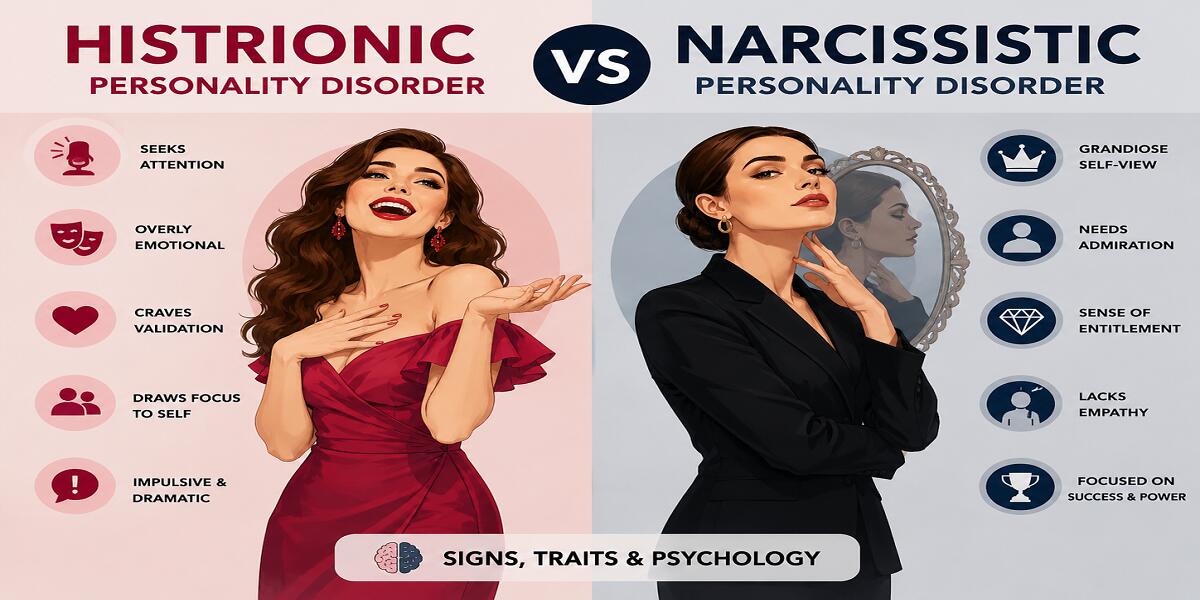
Histrionic Personality Disorder is a mental health condition , and it sits under cluster B personality disorders. From what experts in psychiatry explain , people with this condition often show exaggerated feelings and this steady need for attention.
They tend to feel really uncomfortable when others ignore them, or don’t really react. Because of that, they might act in a dramatic, emotionally charged way in social settings , even when it feels unnecessary.
Common Histrionic Personality Disorder Symptoms
Strong attention craving
Emotional instability
Dramatic emotional reactions
Constant need for validation
Overly expressive communication
Easily influenced by others
Difficulty maintaining stable relationships
Emotional drama in social situations
People with HPD often want emotional reassurance from everyone around them. They may speak dramatically, react emotionally, or try hard to remain the center of attention.
Sometimes even small situations become highly emotional. A simple disagreement can suddenly sound like the final scene of a television drama.
Also read this blog: Why Ayurvedic Detox Retreats Are Trending in 2026
What Is Narcissistic Personality Disorder?
Narcissistic Personality Disorder is another condition that falls within the same cluster B, sort of but the emotional engine behind it seems different from HPD. People with NPD usually think they’re more important than everyone else, in their own way.
They tend to chase admiration, praise, and recognition , not just casually. A lot of them also have trouble with empathy and emotional insight, like they just don’t read the inner signals the same.
Common Narcissistic Personality Disorder Traits
Grandiose personality traits
Lack of empathy
Excessive self-focus
Need for admiration
Manipulation tactics
Sense of superiority
Sensitivity to criticism
Relationship conflicts
Unlike HPD, narcissistic behavior often focuses more on power, image, and control.
In simple words:
A person with HPD may think:
“Please notice me.”
A person with NPD may think:
“I deserve more attention because I’m better.”
That difference is important in Psychology and clinical diagnosis.
Histrionic vs Narcissistic: The Main Difference
The biggest difference in narcissism vs histrionic personality lies in emotional motivation.
Histrionic Personality Disorder
Wants emotional attention
Fears being ignored
Uses emotions to connect
Seeks approval from others
Narcissistic Personality Disorder
Wants admiration and status
Fears appearing weak
Uses superiority for control
Seeks power and recognition
Both conditions involve validation addiction and emotional challenges, but the emotional goals differ.
This is why proper diagnosis matters.
Why People Often Confuse HPD and NPD
Both personality disorders may involve:
Emotional manipulation psychology
Attention-seeking behavior
Relationship instability
Emotional reactions
Social conflicts
Because of these similarities, many people confuse the two conditions.
Still, trained mental health professionals study behavior patterns carefully before diagnosis. Experts in Psychiatry look at emotional triggers, communication style, interpersonal relationships, and long-term behavioral patterns.
How These Disorders Affect Relationships
Relationships become difficult when emotional needs remain unhealthy or unmanaged.
A person with HPD may:
Seek constant reassurance
Become overly emotional during conflict
Fear rejection strongly
A person with NPD may:
Ignore other people’s feelings
Focus mainly on personal needs
Show controlling behavior
In both situations, communication problems can increase stress inside families and relationships.
Friends and partners often feel emotionally exhausted because every conversation starts revolving around emotional reactions, admiration, or validation.
What Causes These Personality Disorders?
Researchers believe personality disorders develop through a combination of factors, including:
Childhood experiences
Emotional neglect
Family environment
Trauma
Genetics
Social learning patterns
Experts in Behavioral Psychology explain that childhood emotional experiences strongly shape adult behavior.
For example, children who receive attention only during emotional outbursts may slowly develop unhealthy emotional coping patterns.
Similarly, excessive praise without emotional balance may contribute to narcissistic thinking patterns.
Treatment Options for HPD and NPD
Treatment can help people improve emotional regulation, self-awareness, and communication skills.
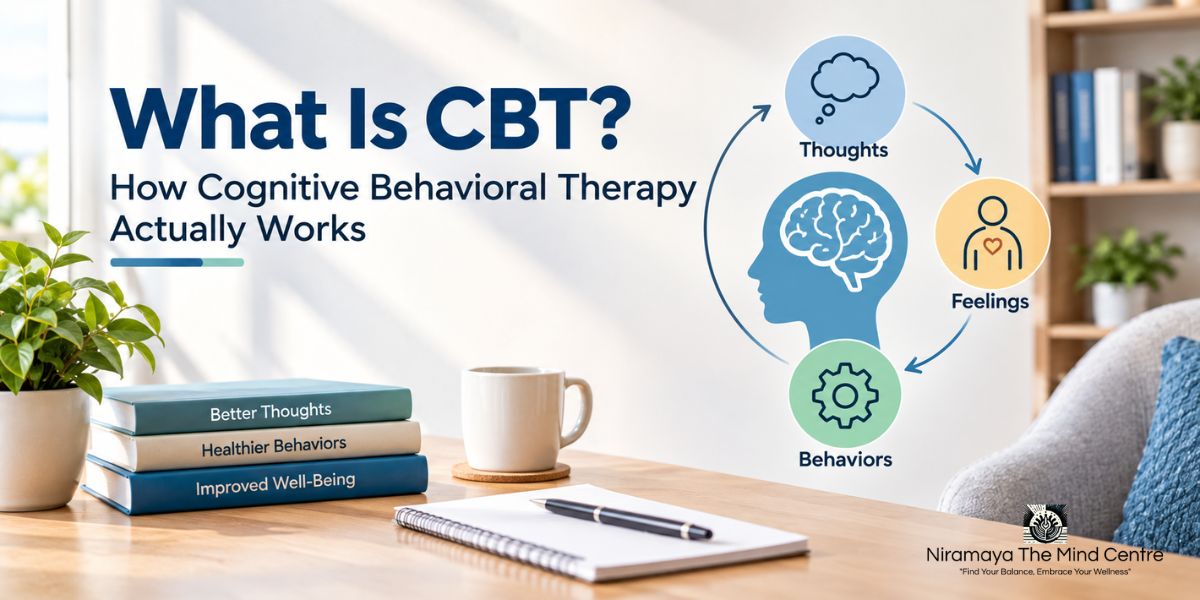
Cognitive Behavioral Therapy remains one of the most recommended therapies for personality disorders. Therapy helps patients recognize unhealthy thoughts and emotional triggers.
Treatment may include:
Talk therapy
Cognitive Behavioral Therapy
Emotional regulation exercises
Family counseling
Stress management support
People searching for histrionic personality disorder treatment in Chandigarh should always consult experienced professionals instead of relying on internet self-diagnosis.
Professionals such as Dr. Sanjeev Kalra guide patients through structured mental health support and emotional wellness programs. Some patients also explore supportive wellness therapies such as panchakarma treatment in Chandigarh to improve overall mental relaxation and stress recovery.
Social media may turn every emotional person into a “narcissist” within five minutes. Real mental health diagnosis takes much more care, observation, and professional understanding.
The Importance of Emotional Intelligence
Emotional Intelligence plays a major role in recovery and emotional growth.
Therapy often helps people:
Understand emotional triggers
Improve communication
Build healthier relationships
Reduce emotional instability
Develop self-awareness
With proper support, many people learn healthier ways to manage emotions and relationships over time.
Final Thoughts
Getting histrionic vs narcissistic personality disorder straight is not just about internet labels or whatever trending psychology term happens to be on the timeline. Each one really involves emotional strain , that shows up in how someone acts , handles relationships, and keeps their mental health steady.
With HPD, the core often feels tied to emotional attention, plus a persistent dread of being overlooked or ignored. With NPD, it tends to lean more toward admiration, a sense of being above others, and maintaining control. On the surface they can look kind of alike, but the emotional wiring underneath is not the same at all.
Most of all, personality disorders should not turn into casual insults, or those quick online jokes people throw out. With real treatment, emotional support, and professional guidance , many people can work toward better emotional balance and healthier interpersonal relationships.
If you’re looking for guidance around personality disorders, or you are exploring a histrionic personality disorder treatment in Chandigarh , reaching out to experienced professionals like Dr. Sanjeev Kalra can point you in the right direction. Alongside therapy , some individuals also explore wellness-based supports, like panchakarma treatment in Chandigarh, to help with stress reduction and a more even emotional state.