
How to Recognize When Emotional Struggles Need Professional Care
How to Recognize When Emotional Struggles Need Professional Care
Feeling stressed, worried, or emotionally exhausted from time to time is a normal part of life. Work pressure, family responsibilities, financial concerns, or major life changes can affect your emotional well-being. However, when these feelings become constant and begin to interfere with your daily routine, they may be more than temporary stress. Understanding the signs of anxiety and depression is essential because early recognition can help you seek timely support and improve your overall quality of life. Instead of waiting for symptoms to become severe, recognizing these warning signs allows you to take proactive steps toward recovery and long-term emotional wellness.
Common Signs of Anxiety and Depression You Should Never Ignore
The signs of anxiety and depression can creep in over time, kind of slowly, so they’re easy to miss or ignore. A lot of people tell themselves it’s just a tough little phase, you know, nothing serious. But if the emotional battles keep going, even if they feel “normal” at first, they really deserve attention and a closer look.
Some common symptoms include:
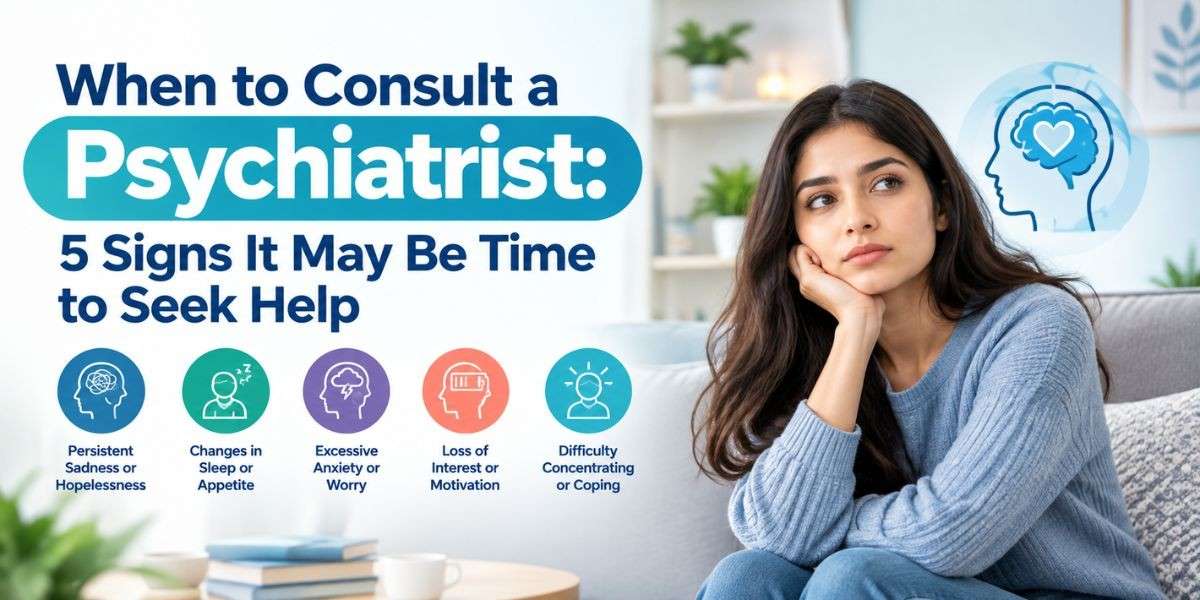
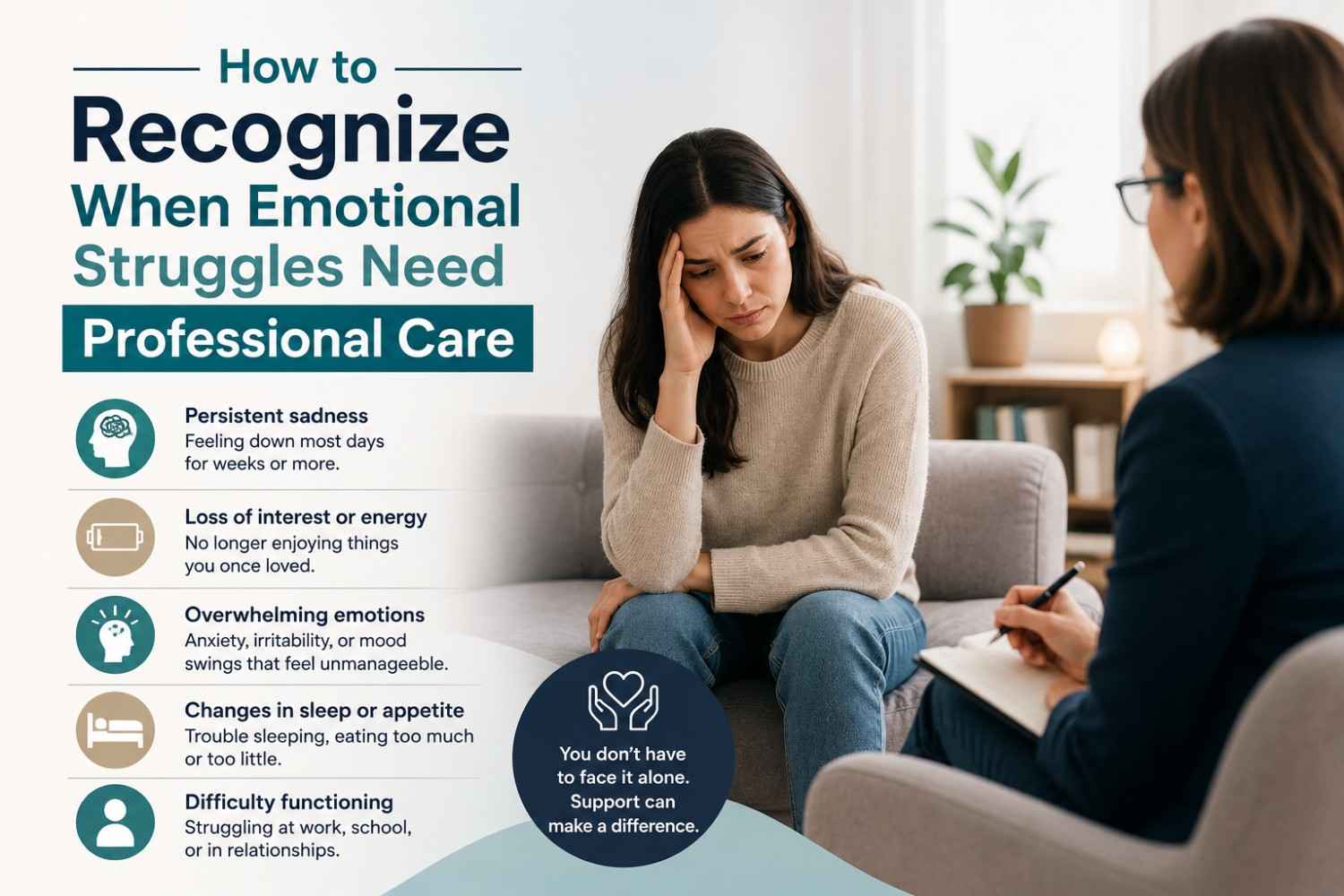
Feeling sad, hopeless, or emotionally empty for weeks
Constant worry or fear that is difficult to control
Loss of interest in hobbies and social activities
Difficulty concentrating or making decisions
Trouble sleeping or sleeping excessively
Feeling tired even after getting enough rest
Changes in appetite or unexplained weight changes
Irritability, mood swings, or frustration over small issues
Physical symptoms such as headaches, digestive problems, or muscle tension
Withdrawing from family, friends, or social situations
Feeling one or two of these symptoms now and then might not mean you have a mental health issue. Still, if multiple signs tied to anxiety and depression keep showing up for over two weeks and they start to interfere with your job, school, or connections, then it’s wise to look for professional support.
When Do Emotional Struggles Require Professional Care?
Everyone copes with emotional difficulties in their own way, but eventually there is this point where the usual self-help tricks just don’t carry far enough. Like, if your feelings start messing up your everyday responsibilities, or they begin to pressure your personal relationships, and even your physical health, then professional support, maybe not later but sooner, is something worth considering.
You should consult a mental health specialist if you:
Feel emotionally overwhelmed most days
Experience frequent panic attacks or excessive fear
Avoid social interactions because of anxiety
Lose motivation to perform daily activities
Find it difficult to manage work or academic responsibilities
Feel hopeless about the future
Notice persistent signs of anxiety and depression despite making lifestyle changes
Seeking help early often leads to faster recovery and prevents symptoms from becoming more severe.
Understanding Anxiety Disorder Symptoms
Many individuals mistake anxiety for everyday stress. While occasional stress is temporary, anxiety disorder symptoms are more persistent and intense. They may include excessive worrying, restlessness, rapid heartbeat, sweating, trembling, shortness of breath, and difficulty relaxing.
If these symptoms keep coming back and back, without a solid reason, or if they just linger for a few weeks, don’t sort of ignore them. It’s really worth getting a professional look, because a proper review can help uncover the root issue and then point you toward the most fitting anxiety treatment for your own situation.
How Professional Treatment Can Help
A big misconception about mental health care is that it’s basically only medication, like that's all there is. But really, treatment ends up being a bit more tailored, and it depends on each person’s symptoms, their day-to-day lifestyle, and their overall health. Sometimes it’s therapy, sometimes coping skills, and other times medication too; it’s not the same recipe for everyone.
A qualified mental health specialist may recommend:
Comprehensive psychological assessment
Individual therapy sessions
Cognitive Behavioral Therapy (CBT)
Stress management and relaxation techniques
Lifestyle and sleep improvement strategies
Medication, when clinically necessary
Regular monitoring and follow-up care
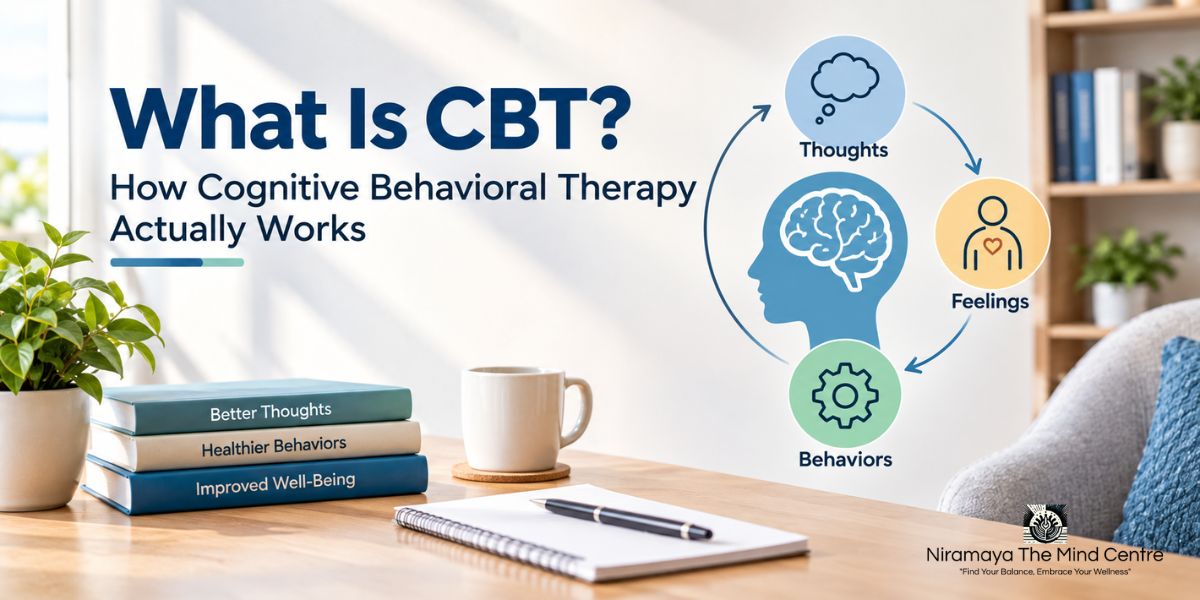
Professional mental health counseling gives people a safe and confidential kind of space, so they can talk about what’s going on without worrying about being judged. In sessions, therapy can also guide patients in noticing what they feel, sorting out the emotional signals, pinpointing common triggers, and building more supportive coping methods for the long-run emotional balance.
Why Early Treatment Makes a Difference
Ignoring the signs of anxiety or depression can mess with pretty much everything—like physical health, the vibe in relationships, how well someone performs at work , and even self confidence. If you catch it early, the symptoms often become less intense, and the chances of getting better or recovery, tend to be much better too.
Timely depression treatment and anxiety treatment can help individuals:
Improve emotional resilience
Restore healthy sleep patterns
Enhance concentration and productivity
Strengthen personal relationships
Reduce physical symptoms caused by chronic stress
Regain confidence and emotional balance
The earlier treatment begins, the easier it becomes to manage symptoms and prevent future complications.
Taking the First Step Toward Better Mental Health
Seeking professional help is not a sign of weakness; it’s actually kind of a positive step toward improving your day-to-day life. If you or someone close has been dealing with ongoing signals of anxiety and depression, talking with a qualified expert can bring some clarity, real support, and a working treatment plan.
If you are looking for Anxiety depression treatment in Noida, choosing experienced mental health professionals ensures personalized care, accurate diagnosis, and evidence-based therapies that focus on long-term recovery and emotional wellness.
Conclusion
Spotting the early signs of anxiety and depression can really make a difference in how your recovery goes, like sooner, not later, you know. Emotional strain should not be ignored; in fact even when it starts small, if it starts messing with your day to day life, your friendships, or just your overall peace, then it matters. With the right kind of guidance, plus solid depression treatment and anxiety treatment, and real professional mental health counseling, it’s possible to get your emotional center back and go on living a healthier, more satisfying life, again.
Just remember, mental health is as important as physical health, really. Like, if you start noticing ongoing signals of anxiety and depression in yourself, or even in someone you care about, don’t wait too long to ask for professional help. Honestly, taking that first step today can turn into a more hopeful, healthier tomorrow.