

What Is Avoidant Personality Disorder? Signs, Symptoms, and Treatment Options
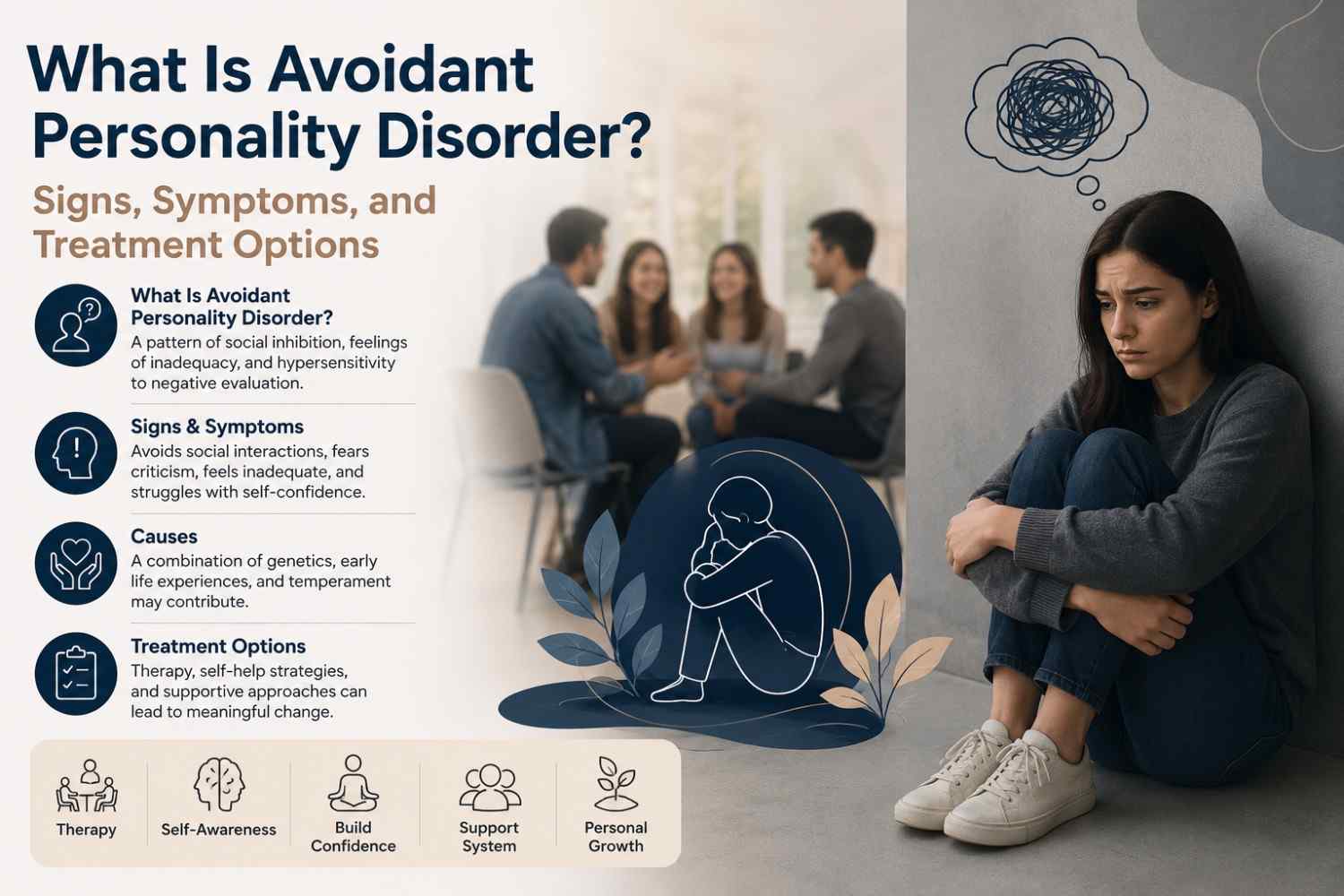
What Is Avoidant Personality Disorder? Signs, Symptoms, and Treatment Options
Mental health conditions can significantly impact a person's relationships, self-esteem, and daily life. One such condition is avoidant personality disorder, a complex personality disorder characterized by extreme sensitivity to criticism, feelings of inadequacy, and a persistent fear of rejection. Individuals with avoidant personality disorder often want close relationships but avoid social interactions because they fear being judged, embarrassed, or rejected.
Understanding the condition, its signs, symptoms, and available treatment options can help individuals seek the support they need and improve their quality of life.
What Is Avoidant Personality Disorder?
Avoidant personality disorder is an illness of the mind that causes sufferers to be socially secluded and self-conscious. As opposed to ordinary social shyness, the disorder can affect many aspects of life such as relationships with family and friends educational, career, and opportunities.
People suffering from avoidant personality disorders tend to believe that they're not good enough and worry constantly about being criticized by other people. In the end, they are more likely to avoid social situations or new experiences. They also avoid occasions that may make them vulnerable to rejection.
The condition typically develops in an early stage of adulthood or adolescence and can be more severe if it is not treated.
Signs of Avoidant Personality Disorder
Recognizing early signs of avoidant personality disorder can help individuals seek timely treatment and support.
Some common signs include:
Avoiding social gatherings and group activities
Reluctance to meet new people
Extreme sensitivity to criticism
Fear of embarrassment in social situations
Avoiding jobs or activities that involve interaction with others
Constant worry about being judged negatively
Low confidence in personal abilities
Many of these signs are linked to Fear of Rejection and Social Avoidance, which is one of the core characteristics of the disorder.
Common Avoidant Personality Disorder Symptoms
The symptoms of avoidant personality disorder can vary in severity, but they often interfere with daily functioning and emotional well-being.
Some of the most common Avoidant Personality Disorder Symptoms include:
Persistent Feelings of Inadequacy
Individuals often view themselves as socially inferior or unworthy compared to others.
Fear of Rejection
A strong Fear of Rejection and Social Avoidance may cause individuals to avoid friendships, romantic relationships, and workplace interactions.
Low Self-Esteem
People with avoidant personality disorder frequently struggle with self-confidence and may focus excessively on their perceived flaws.
Social Isolation
Avoiding social situations can lead to loneliness and emotional distress over time.
Difficulty Building Relationships
Even though they would like to make genuine connections, some people shy away from intimacy due to fear of being rejected or criticized.
Anxiety in Social Situations
A large number of people experience symptoms that are connected to social anxiety and avoidant personality disorder, which include uncomfortableness, nervousness, and self-consciousness that is excessive during interactions.
What Causes Avoidant Personality Disorder?
The exact cause of avoidant personality disorder remains unclear, but experts believe several factors contribute to its development.
Possible causes include:
Family history of personality disorders
Childhood neglect or emotional abuse
Frequent criticism during childhood
Bullying or social rejection
Negative early-life experiences
These factors can influence how a person views themselves and interacts with others throughout their life.
Avoidant Personality Disorder Treatment Options
Fortunately, there are efficient treatments for Avoidant Personality Disorder that are readily available. With the help of a professional, many people are able to manage their symptoms and develop more harmonious relationships.
Cognitive Behavioral Therapy (CBT)
CBT is among the most effective ways of treatment for Avoidant Personality Disorder. It assists individuals in identifying negative patterns of thought to replace these with more positive attitudes and behavior.
Personality Disorder Counseling
Professional Counseling for Personality Disorders offers a safe and supportive space that allows individuals to explore the emotional issues they face and learn strategies to cope.
Group Therapy
The group therapy program helps people develop social skills and eventually become less awkward in social situations.
Social Skills Training
This approach focuses on improving confidence, interpersonal skills, and relationship-building abilities.
Medication Support
Although there is no definite treatment that can treat avoidant personality disorders medication can be prescribed to help manage the depression or anxiety symptoms.
When Should You Seek Professional Help?
It is crucial to seek professional help in the event that symptoms start affecting relationships or work performance, education, or general well-being.
Anyone who is experiencing ongoing symptoms of Avoidant-Personality Disorder must consult a licensed mental health professional for an evaluation and treatment.
If you are looking for specific Personality disorder treatment in Noida, professional therapy programs can assist in addressing the root causes of behavioral and emotional issues. Also, people looking for the treatment of Histrionic personality disorder treatment in Chandigarh can benefit from a professional diagnosis and customized treatment strategies.
Conclusion
Avoidant personality disorder is more than merely shyness. It is an extremely serious mental health issue that is characterised by social inhibition as well as low self-esteem and an intense fear of rejection or criticism. It is a common symptoms of Avoidant Personality Disorder are social withdrawal, anxiety about being rejected, feelings of inadequacy, and difficulty in making connections.
The positive aspect is that the most efficient Treatment for Avoidant Personality Disorder options like CBT Psychotherapy for People with Disorders, group therapy, and social skills training, can assist individuals to gain confidence and enhance their lives. Early detection and support from professionals can be a major factor in reducing symptoms and attaining an overall sense of well-being.