
Ayurveda vs Modern Medicine: Differences, Benefits, Risks and Uses
Ayurveda vs Modern Medicine: Differences, Benefits, Risks and Uses
Choosing the right healthcare approach can feel confusing when traditional practices and modern treatments offer different perspectives. Understanding ayurveda vs modern medicine helps people make informed decisions about treatment, prevention, and overall well-being. For example, someone exploring Panchakarma treatment in Noida may also want to understand how modern medical evaluation can support safe, informed healthcare decisions.
However, there is a difference in the approaches towards health care in both systems, and none of them can be evaluated in terms of traditions and technology alone. The main criteria for evaluating any system include scientific proof, the needs of the patient, the qualifications of the specialist, and safety of the procedure.
What Is Ayurveda?
Ayurveda is an Indian traditional method of healthcare including the following aspects: diet, lifestyle, herbal treatment, etc. Ayurveda emphasizes greatly the importance of personal regimen and holistic approach towards the body. Knowing the differences between ayurveda vs modern medicine helps people compare these healthcare methods and make a choice.
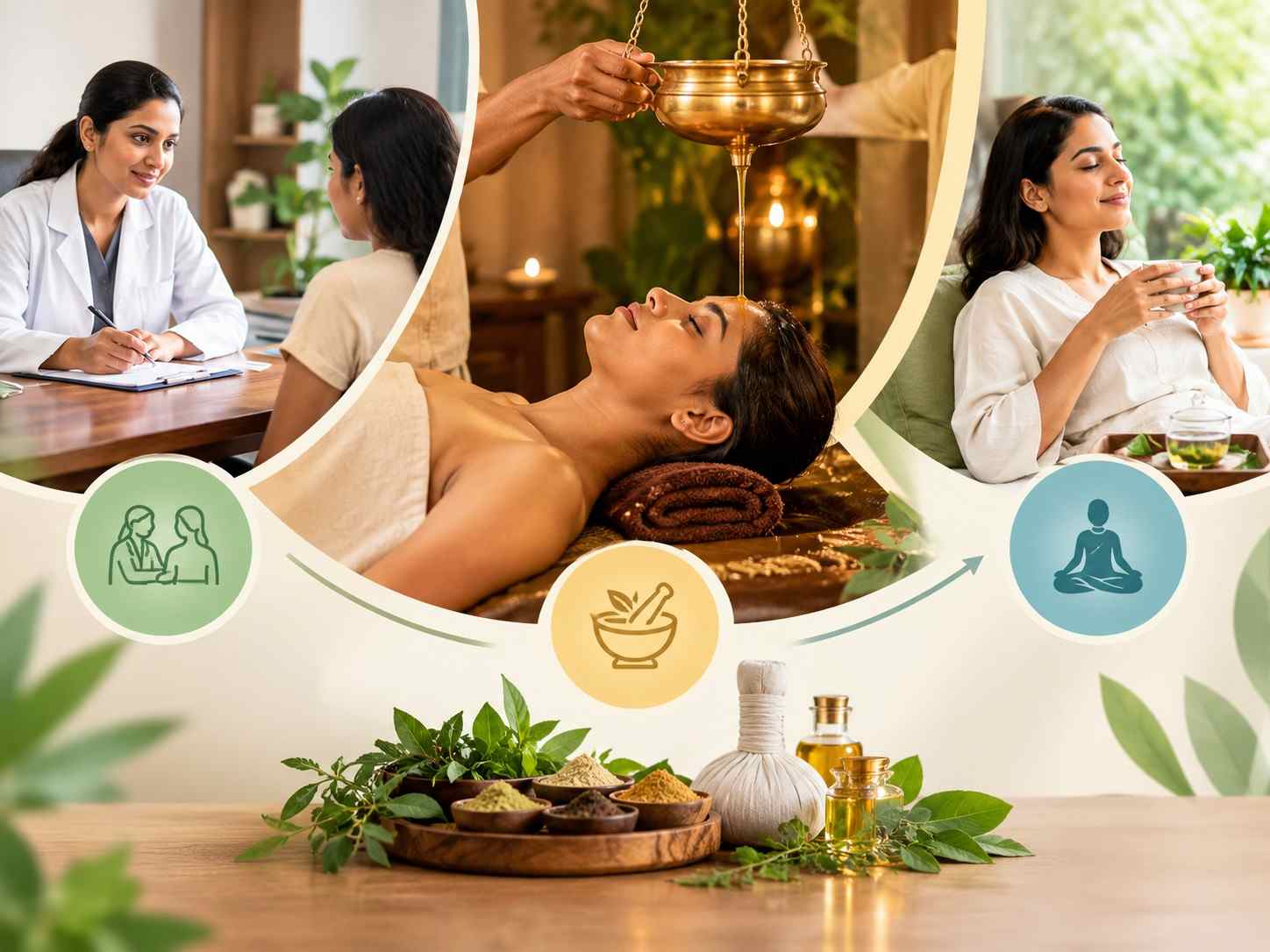
Ayurvedic treatment may include dietary suggestions, yogic exercises, massage, herbal medicines and Panchakarma – a set of traditional cleansing procedures. In any case, it depends both on the practitioner and on the patient.
However, even traditional treatment does not imply the fact that a certain procedure is good for all illnesses. The National Center for Complementary and Integrative Health of the USA states that not all Ayurvedic treatments have enough scientific evidence and some Ayurvedic products may pose health risks to a person.
Also read : Anxiety Disorder Symptoms: 15 Warning Signs You Should Not Ignore
What Is Modern Medicine?
Modern Medicine uses science, research, clinical trials, and scientific treatments for disease prevention, detection, and management. Medicine might be prescribed, surgery might be performed, psychotherapy and rehabilitation performed, as well as a number of other interventions, depending on the disease in question.
The contemporary approach to medicine is effective for the treatment of various ailments, infections, injuries, and other health conditions. Clinical trials and constant safety analysis might also help scientists figure out the effectiveness of different treatments.
Modern medical treatment does not always mean that people have to take medications. There are also other possibilities, such as counseling, changing one’s lifestyle, undergoing regular medical screenings, and others. It all depends on the particular case.
Ayurveda vs Modern Medicine: Key Differences
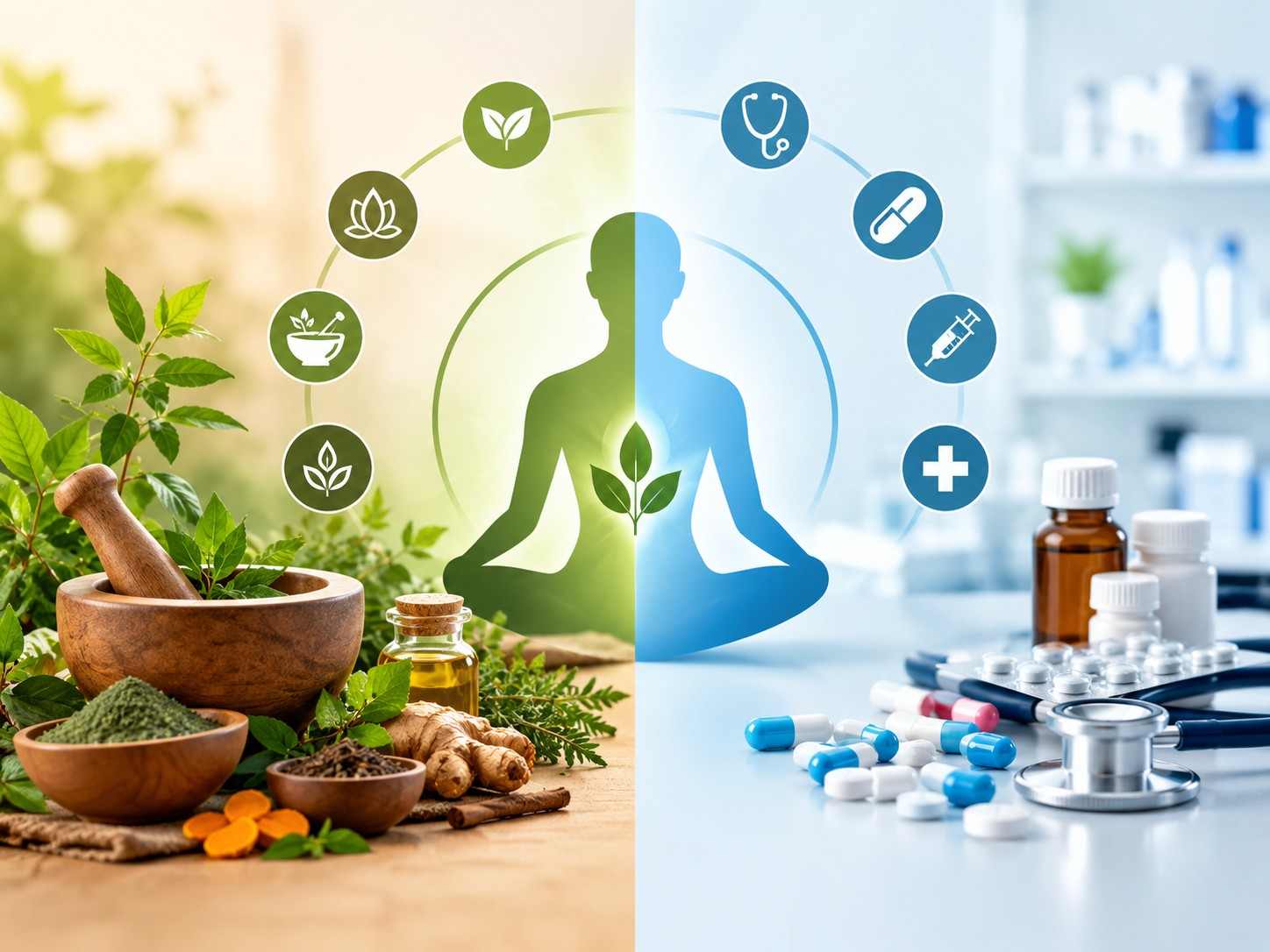
The main difference between these approaches lies in their methods, evidence standards, and treatment goals.
In comparison of Ayurveda vs modern medicine, one should not take for granted the equal efficiency and safety of any procedures related to each method respectively.
Potential Benefits of Ayurveda
The organized structure of Ayurveda may suit individuals who require some help to regulate their daily routine and eating pattern along with their overall health status. Some elements of Ayurveda may contribute to relaxation or better health practices.
Its benefits depend largely upon the intervention. For example, exercise, healthy dieting, and relaxation may become a part of the wellness program based on specific health status.
Nonetheless, it is essential to properly evaluate any claim associated with herbal drugs or procedures, because according to the NCCIH’s review of Ayurveda, some of them showed positive effects on certain symptoms, but there were limitations in most of the research.
Individuals must consult healthcare providers prior to using any kind of herbs, especially when they take prescribed medication.
Benefits of Modern Medicine
Modern medicine can give some significant benefits in cases where the disease needs a proper diagnosis or some proven medical procedure.
1. Diagnostic accuracy: Appropriate medical tests may be able to help determine the reason behind such symptoms.
2. Emergency care: Modern healthcare facilities offer vital help in cases of serious injuries, infections, problems with breathing, and other emergencies..
3. Evidence-based treatment: Medical research aids healthcare practitioners in determining the efficacy and safety of drugs and treatments.
4. Mental healthcare: Mental disorders may be managed by psychological therapy, medications where necessary, and follow up.
5. Monitoring and prevention: Screenings, vaccines, and routine checkups may help in preventing some health problems and discovering others sooner.
Nevertheless, this is not to say that all treatment methods are applicable to everybody. Doctors need to make their patients aware of the advantages of each treatment method.
Risks and Limitations of Both Approaches
A comparison of ayurveda vs modern medicine involves examining the risks and rewards associated with each.
Key risks to consider:
Ayurveda: Some preparations may contain harmful levels of lead, mercury, or arsenic.
Herbal products: Certain ingredients may interact with prescription medicines.
Modern medicine: Medicines and medical procedures may cause side effects or complications.
Treatment safety: Always check product quality and consult a qualified healthcare professional.
Never neglect prescribed drugs or treatment for an emergency because of an untested remedy.
The WHO stresses evidence-based, safe, and high-quality practice in traditional medicine.
Can Ayurveda and Modern Medicine Be Used Together?
Of course there are those who practice Ayurveda along with modern medicine, but at all times safety is of utmost importance when it comes to treatment.
Important points to remember:
Inform your doctor about all medicines, supplements, and herbal products you use.
Consult a qualified practitioner before undergoing Panchakarma or other traditional procedures.
Never stop prescribed medication or delay necessary medical treatment without consulting your doctor.
Choose treatments based on scientific evidence, individual health needs, and potential risks.
In the case of Ayurveda vs modern medicine comparison, organized approach to care and decision-making can assist individuals in making safer choices.
Mental Health Support and Informed Treatment Choices
Psychological issues such as anxiety, depression, and insomnia may need professional evaluation. Healthy changes can help an individual be healthy, but they cannot take the place of proper treatment.
When comparing Ayurvedic Medicine vs Modern Medicine, factors like available research, qualification of practitioners, risk of treatment, and personal needs need to be taken into account.
Finding Appropriate Mental Health Care in Noida
People looking for Ayurveda depression treatment in Noida need to know all about the treatment possibilities and talk to a professional before undergoing any treatment.
In the same way, people looking for Anxiety depression treatment in Noida need to make sure that they have all information about the treatment and talk to their healthcare providers regarding any herbal medicines that they may be using.
One can take note of Dr. Sanjeev Kalra at Niramaya The Mind Centre in this respect.
Conclusion
Understanding ayurveda vs modern medicine helps people evaluate treatment options based on evidence, safety, and individual needs. Ayurveda offers traditional approaches to health and lifestyle, while modern medicine provides scientifically evaluated methods for diagnosing and treating many conditions.
Before starting any treatment, consult a qualified healthcare professional and discuss existing medicines and therapies. For guidance on available healthcare services and suitable treatment options, contact us at Niramaya The Mind Centre to learn more. Informed decisions and coordinated care can support long-term well-being.