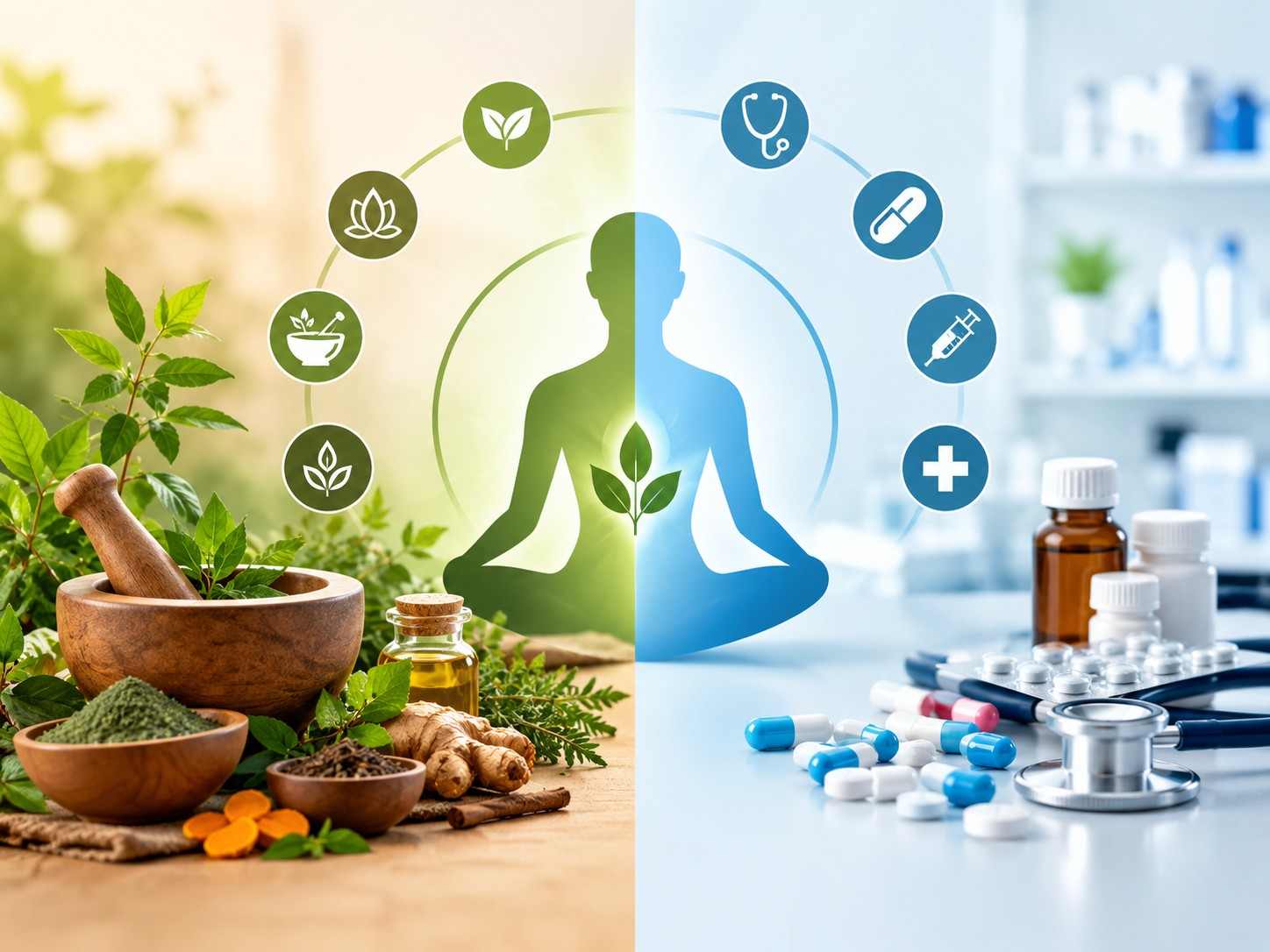

What to Expect from Panchakarma Therapy: From First Consultation to Recovery
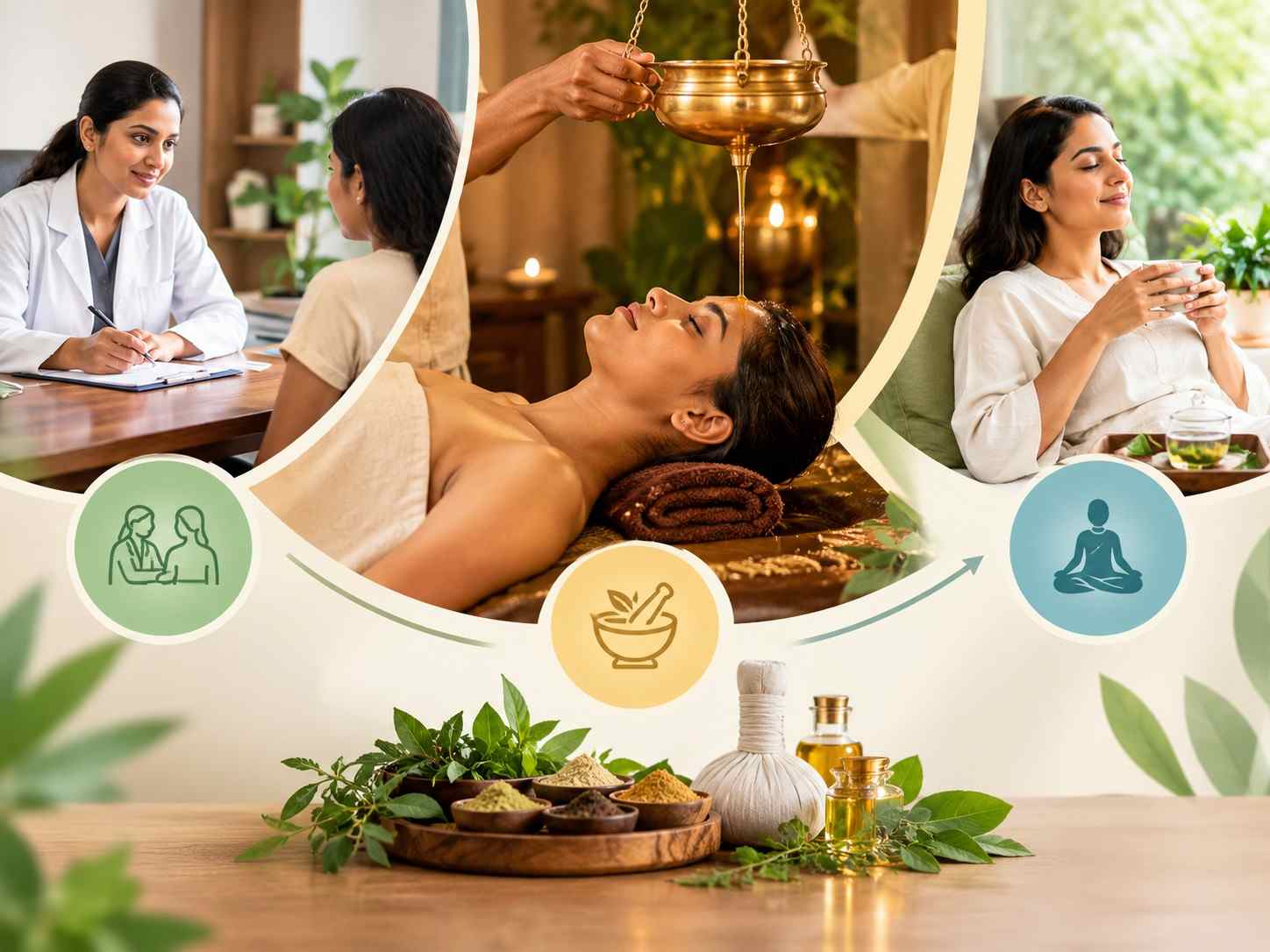
What to Expect from Panchakarma Therapy: From First Consultation to Recovery
Panchakarma Therapy is a traditional Ayurvedic approach that uses specific procedures selected according to an individual's health needs and physical condition. If you are exploring Panchakarma treatment in Noida, understanding the consultation, preparation, treatment stages, and recovery process can help you make an informed decision. At Niramaya The Mind Centre, the focus is on understanding each person's needs before considering suitable complementary therapies. The process should always involve qualified professional guidance, realistic expectations, and attention to safety rather than promises of instant results.
What Is Panchakarma Therapy?
Panchakarma Therapy is an Ayurveda treatment modality that takes into account one’s diet, lifestyle, and constitution while devising a treatment plan. It means five main therapeutic practices in the context of classical Ayurvedic medicine. Charaka Samhita and Sushruta Samhita are examples of historic medical books containing Ayurvedic knowledge and therapies.
These practices can include particular types of oil treatment, induced perspiration, instillation through the nose, or other methods chosen by a specialist based on the patient’s health condition and the procedure itself.
Even though practitioners tend to characterize Panchakarma as detoxification therapy according to Ayurveda, the removal of undefined toxins and the cure of various diseases should be viewed with caution. There is no scientific proof of efficacy of most Ayurvedic treatments, and their description does not always match biomedical evidence.
Also Read : Ayurveda vs Modern Medicine: Differences, Benefits, Risks and Uses
Step 1: Your First Consultation
During the first session, the practitioner will get to know your medical history, your present complaints, and also what you expect from the treatment process.
Your consultation may cover:
Current symptoms and previous diagnoses
Medicines, supplements, and existing treatments
Digestion, sleep, diet, and daily routines
Previous experiences with Ayurvedic procedures
Allergies, medical conditions, and relevant health risks
Please inform me about the medicines that you are taking and your health history. It is not recommended to discontinue any medication or adopt any diet without consulting professionals.
This assessment will be helpful for individuals looking into Panchakarma treatments in Noida to understand the treatment process, its objectives, risks, costs, and recovery period.
Step 2: Understanding the Types of Panchakarma Treatment
The kind of treatment using Panchakarma has five main methods that have been outlined in Ayurveda. The methods used for Panchakarma Therapy may vary from one patient to another based on the condition of that patient and what the therapist suggests. Some of these methods include Vamana, Virechana, Basti, Nasya, and Raktamokshana. An experienced practitioner may choose any one of these methods instead of recommending all of them to each and every individual.
1. Vamana
Vamana is an emesis therapy practiced under medical supervision according to Ayurvedic medicine. It needs to be carefully evaluated as induced vomiting may lead to various complications, such as dehydration and electrolyte imbalance.
2. Virechana
Virechana means therapeutic purgation and depends upon the technique employed; it can mean that there will be materials which cause bowel evacuation. There is a risk of dehydration through uncontrolled purgation.
3. Basti
The procedure known as basti consists of giving the patient an infusion of prescribed drugs through the rectum. The choice of medicine and mode of treatment depends on the traditional indication and the specific case.
4. Nasya
Nasya is the technique wherein the administration of some substances via the nose is performed according to the guidelines given in Ayurveda.
5. Raktamokshana
Raktamokshana is the name given to bloodletting techniques. Such techniques need extra caution because any invasions might lead to blood loss and infections among other issues.
All the five techniques are not mandatory for all individuals. It is important to choose what suits you best.
Step 3: Preparation Before Treatment
Preparation is also an essential aspect of the Panchakarma therapy process. Depending on the particular procedure chosen, an individual’s health status and even the advice by the practitioner, the individual undergoing Panchakarma Therapy may need preparation. Some of the ways that are used to prepare for Panchakarma Therapy include Snehana, which entails the application of oils or fats, and Swedana, which includes sweating therapy.
This is only done where necessary. It is vital for one to follow the instructions from professionals to have a clear understanding of the procedure and possible dangers during the treatment process.
Before starting, ask your practitioner:
What preparation do I need?
Which foods, activities, or medicines require special attention?
How long will the treatment take?
What symptoms should I report immediately?
What arrangements should I make for rest and recovery?
Don’t engage in radical fasting, overexposure to heat, or taking herbs without supervision. A realistic program needs to take into consideration your present illnesses and your day-to-day duties.
Step 4: What Happens During the Treatment?
Panchakarma Therapy differs depending on the chosen method and health conditions of the patient. The therapy can include oil massage or sweat induced under supervision, and other more rigorous methods of treatment.
It is the responsibility of the therapist to explain each stage prior to conducting the process, get your permission, and check your reaction. You need to feel free to ask any questions or express your discomfort.
If there is need to seek help from Niramaya The Mind Centre, Dr. Sanjeev Kalra can be reached to learn more about the integrative approach of the center as well as the possibility of using complementary treatments like Ayurveda in the treatment regimen. It is essential for the doctor and the treatment team to have full and correct information regarding any existing medical treatment in order to assess possible risks and interactions.
Those in search of an Ayurvedic psychiatrist in Noida to deal with mental disorders must realize that conventional Ayurvedic remedies cannot take the place of proven psychiatric evaluation, counseling and medication where necessary.
Likewise, those researching Chronic headaches treatment in Noida should look for a proper medical evaluation before identifying any cause. A person who suddenly develops a very painful headache or headache along with weakness, confusion, fever, or visual disturbances requires immediate medical help.
Step 5: Recovery and Aftercare
The recovery process will depend upon the procedure, its degree, and your own personal reaction. You might have to undergo some time of rest and a gradual process back to normal, while others might have to receive additional follow-up.
Your professional might advise you on diet, hydration, activities, sleeping habits, and follow-up consultations. Follow the advice without thinking that pain or tiredness mean a good treatment.
Aftercare may include:
Eating according to your personalised instructions
Maintaining adequate hydration, unless medically restricted
Avoiding strenuous activities when advised
Monitoring symptoms and reporting unusual changes
Attending follow-up appointments as recommended
Recovery is not identical for everyone. Ask for a clear timeline and specific instructions before starting treatment.
How Long Does Panchakarma Take?
No time can be set for everybody, which will depend on the choice of treatment, requirements before treatment, health condition, and plan of the practitioner.
Some of these treatments can be carried out within a session or even a series of sessions. You need to ask about the schedule of the program, the cost, post-treatment requirements, and also restrictions on working and traveling.
Panchakarma Therapy cannot be assessed in terms of guaranteeing a number of days and results. The responsible practitioner would tell you what is the purpose of the procedure and where there is insufficient evidence.
Is Panchakarma Safe for Everyone?
No, some procedures may entail inducing vomiting, purgation, enemas, or bloodletting, all of which can pose serious dangers. Individuals with underlying health conditions, people using prescription drugs, pregnant women, elderly patients, and children require additional care or may not be eligible for some treatments.
According to the United States National Center for Complementary and Integrative Health, evidence in support of several Ayurvedic treatments is scant, and some Ayurvedic products have been found to contain high amounts of dangerous heavy metals.
Work with a licensed professional, learn about evidence and possible dangers of treatment, and be honest about your medical history. To learn more, see NCCIH's guide on Ayurvedic medicine.
Conclusion
Knowing the whole process of the consultation, preparation, procedure, and the recovery process will make it easier for you to have realistic expectations when dealing with Ayurveda. Panchakarma Therapy must be personalized and should not be generalized at all costs. You may consult Dr. Sanjeev Kalra of Niramaya The Mind Centre on how the centre integrates their services and answers any questions regarding complementary medicine that you might have.
If you are planning to go through Panchakarma therapy in Noida, contact the centre to ask about consultations and suitability for treatment.