
What Is Panchakarma Therapy? Benefits, Process & Who Should Try It
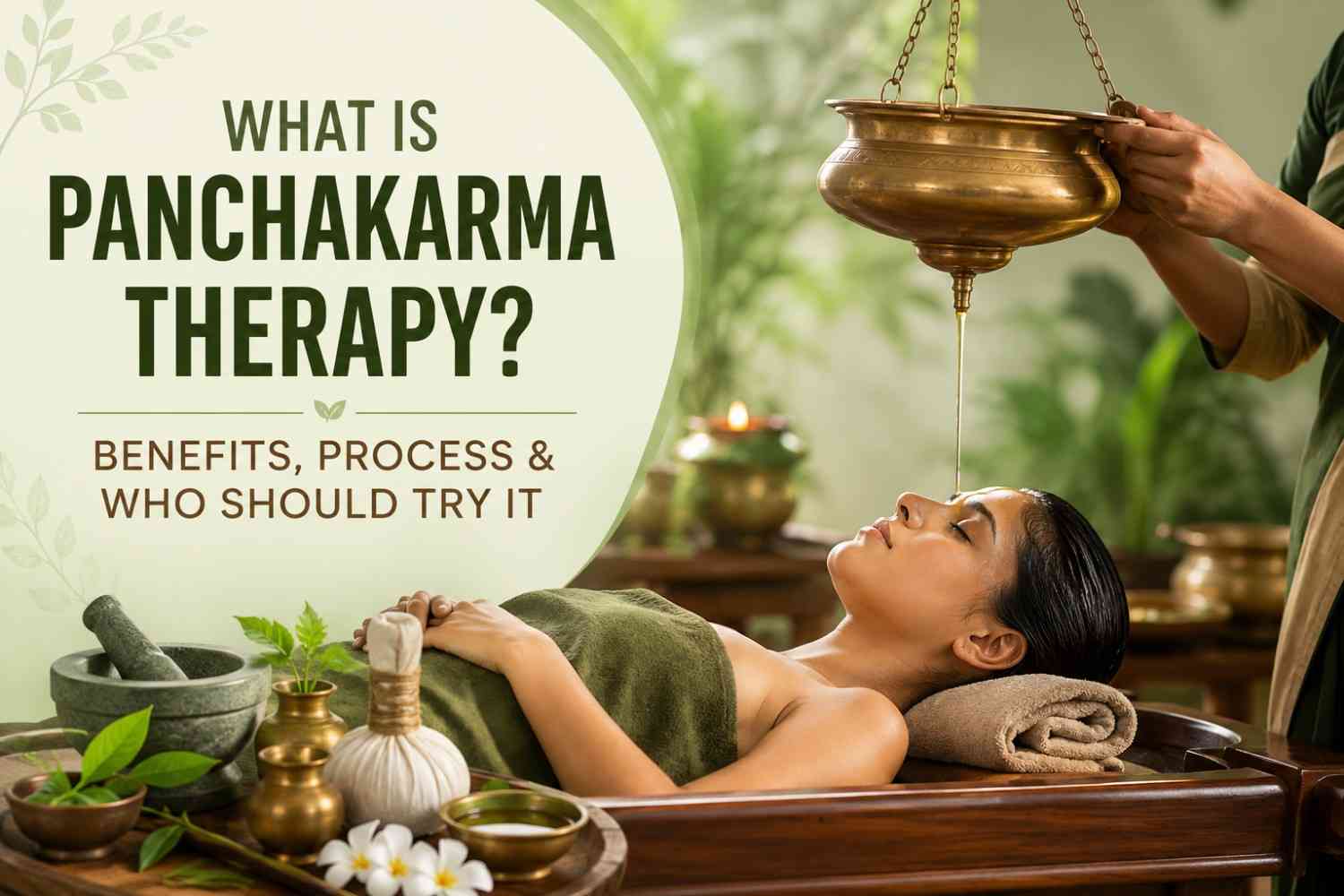
What Is Panchakarma Therapy? Benefits, Process & Who Should Try It
In today's fast-paced lifestyle, stress, unhealthy eating habits, lack of exercise, and environmental pollution can gradually affect overall health. Many people are now turning to Ayurveda to restore balance and improve their well-being naturally. One of the most trusted Ayurvedic treatments is Panchakarma Therapy, a holistic cleansing and rejuvenation process that focuses on removing toxins from the body rather than simply managing symptoms.
Whether you're dealing with digestive problems, chronic stress, joint pain, or simply want to improve your overall health, understanding Panchakarma Therapy can help you decide if it's the right choice for you. In this guide, we'll explore its benefits, treatment process, and who can benefit the most from this traditional Ayurvedic approach.
What Is Panchakarma Therapy?
Panchakarma Therapy is a comprehensive Ayurvedic detoxification and rejuvenation treatment designed to eliminate accumulated toxins (known as Ama in Ayurveda) and restore the body's natural balance. The word "Panchakarma" means "five actions," referring to five specialized cleansing procedures that help purify the body from within.
Unlike quick detox programs or fad diets, Panchakarma Therapy is a personalized treatment plan developed after assessing an individual's body constitution (Dosha), health condition, and lifestyle. The goal is not only detoxification but also to improve digestion, strengthen immunity, increase energy levels, and support long-term wellness.
Benefits of Panchakarma Therapy
The Benefits of Panchakarma Therapy go way past detoxification, honestly. A lot of people pick this kind of treatment because it leans into the whole condition, physical balance, mental clarity, and emotional steadiness at the same time.
Some of the key benefits include:
Helps eliminate toxins naturally from the body.
Supports healthy digestion and metabolism.
Improves energy levels and reduces fatigue.
Promotes healthy skin and a natural glow.
Strengthens the immune system.
Helps reduce stress, anxiety, and mental exhaustion.
Supports healthy joint and muscle function.
Improves sleep quality.
Encourages hormonal balance.
Enhances overall vitality and wellness.
Since Panchakarma Therapy works on the root cause of imbalance, not just temporary symptom relief, so many people do end up seeing lasting improvements, especially when it’s paired with a healthy life routine and Ayurvedic direction.
Panchakarma Therapy Process
The Panchakarma Therapy Process is carefully planned and generally consists of three important stages.
1. Preparation (Purva Karma)
The body is readied through an oil massage (Abhyanga), herbal steam therapy, and internal oleation, sort of like slow grounding. These remedies help unfasten toxins and get the body ready for cleansing.
2. Panchakarma Procedure
The main Panchakarma Procedure includes five traditional cleansing therapies selected according to the individual's health condition.
These therapies may include:
Vamana (Therapeutic Emesis)
Virechana (Therapeutic Purgation)
Basti (Medicated Enema)
Nasya (Nasal Cleansing)
Raktamokshana (Blood Purification, when clinically appropriate)
Not every person requires all five treatments. An experienced Ayurvedic physician recommends the most suitable therapies based on individual health needs.
3. Recovery and Rejuvenation (Paschat Karma)
After detoxification, the body goes through a kind of recovery phase, where you follow a tailored diet, take herbal medicines, get lifestyle guidance, and also do rejuvenating therapies. It kinda helps bring back strength, support digestion, and overall, make the most of what the treatment was trying to do.
What Makes Ayurvedic Detox Therapy Different?
Unlike those commercial detox products that promise a quick, temporary cleanse, Ayurvedic Detox Therapy aims to help the body return to its own natural healing rhythm. It merges herbal remedies, therapeutic massages, purification techniques, food adjustments, yoga, and small lifestyle tweaks—together in a kind of single bundle—so the system can lean back into better overall wellness, but in a more natural manner.
The holistic approach of Ayurveda aims to create lasting wellness rather than short-term results.
Who Should Get Panchakarma Therapy?
One of the most common questions people ask is, Who Should Get Panchakarma Therapy?
This treatment may be suitable for individuals who:
Frequently experience digestive issues.
Feel constantly tired or low on energy.
Have recurring headaches or migraines.
Suffer from stress or anxiety.
Experience joint stiffness or muscle pain.
Want to strengthen immunity naturally.
Are you looking for a preventive wellness program?
Wish to maintain long-term health through Ayurveda.
However, Panchakarma therapy really should be done only under the supervision of a qualified Ayurvedic doctor, because the whole treatment is tailored according to each person's health condition, and you don’t want to mess that part up.
Is Panchakarma Therapy Safe?
When it’s performed by trained Ayurvedic professionals, Panchakarma Therapy is usually considered safe for eligible individuals, in general. Before starting anything, the practitioner will do a deeper health check and assessment to decide what would actually fit and which therapies are more suitable.
People who have particular medical conditions, or who are pregnant, or who are dealing with severe weakness, or acute illnesses, might need adjustments, or they may have to postpone the whole thing. It’s best to check with a seasoned Ayurvedic doctor first before you jump into any detox program.
How to Prepare for Panchakarma Treatment
To achieve the best results from Panchakarma Treatment, patients are usually advised to:
Eat light and easily digestible meals.
Stay hydrated.
Avoid alcohol, smoking, and processed foods.
Get adequate sleep.
Follow the dietary and lifestyle advice provided by the Ayurvedic practitioner.
Proper preparation allows the body to respond more effectively during the detoxification process.
If you are looking for expert guidance on Ayurvedic Panchakarma therapy in Noida, choosing a qualified Ayurvedic center with experienced practitioners can help ensure a personalized and safe treatment experience.
Similarly, people looking for Panchakarma therapy in Chandigarh should try to find clinics that actually stick to authentic Ayurvedic principles and that make customized plans based on each person's health needs, not some generic method.
Conclusion
Panchakarma Therapy is more than a detox treatment; it feels like a full Ayurvedic method for bringing back balance, with support for your overall health and the body's real healing rhythms. It goes beyond the surface, like improving digestion and strengthening immunity, but also dialing down stress levels. In the long run, it tends to foster rejuvenation, and it kind of steadily supports natural recovery.
If you’re considering Panchakarma therapy, it's better to talk with a qualified Ayurvedic expert first, so they can suggest the most fitting treatment for your individual body constitution and your current health aspirations, in a more guided way. When you get proper guidance, along with personalized care, Panchakarma can turn into a meaningful step toward a healthier and steadier lifestyle; overall balance really matters.