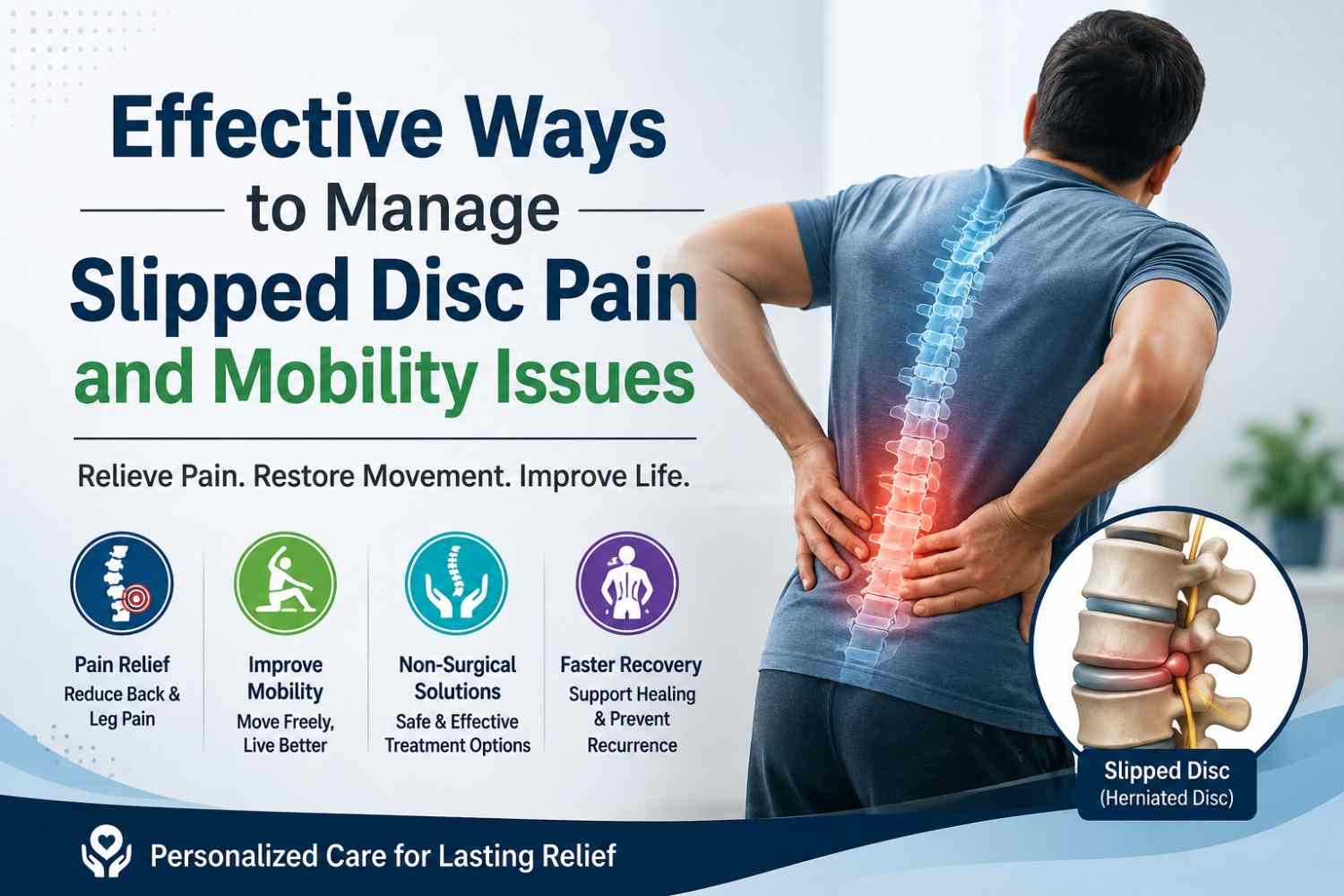

What Is Prolapsed Intervertebral Disc? Symptoms, Causes, Treatment & Recovery
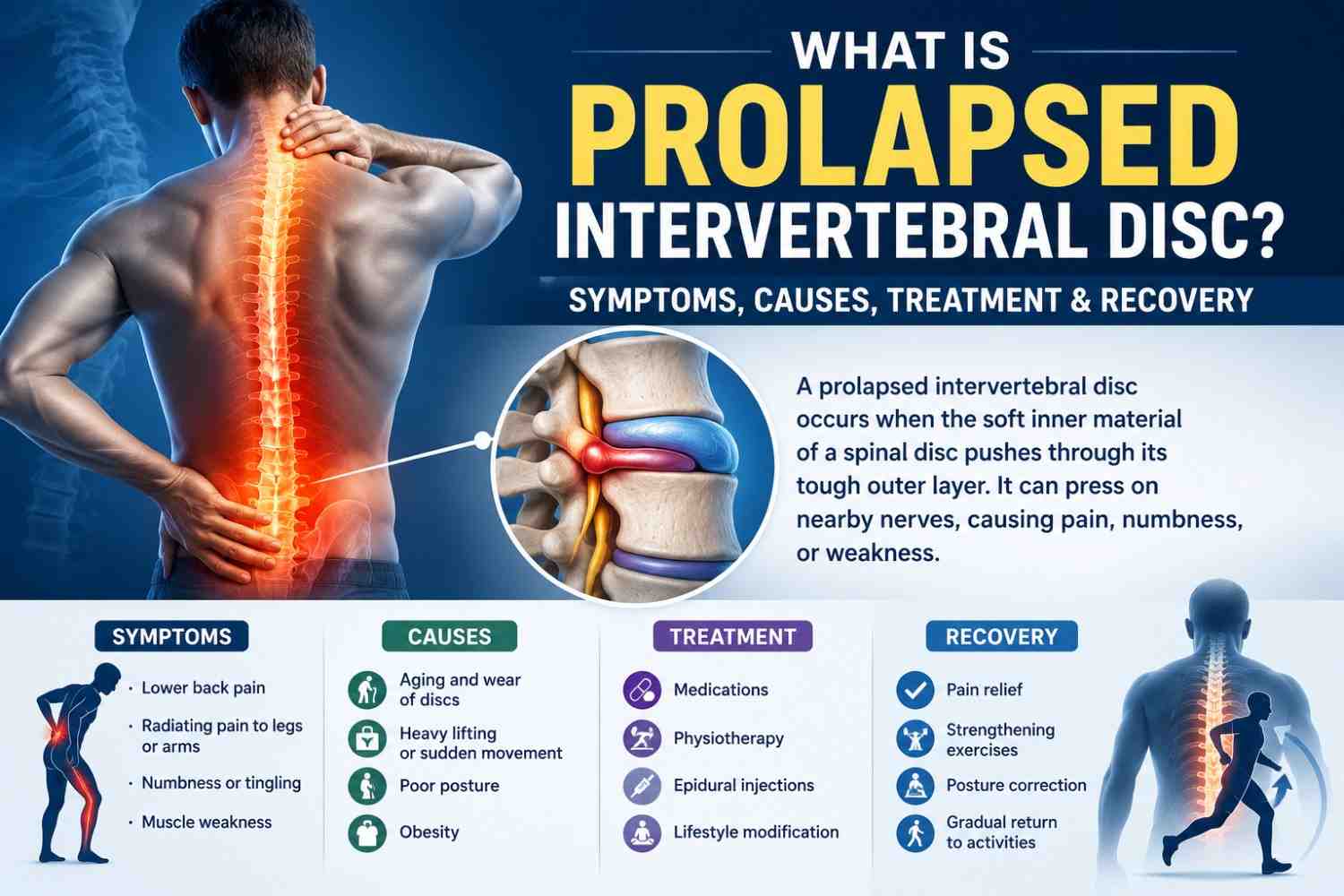
What Is Prolapsed Intervertebral Disc? Symptoms, Causes, Treatment & Recovery
Back pain is one of the most common health concerns, but when it is accompanied by pain radiating to the legs, numbness, or muscle weakness, it may indicate a Prolapsed Intervertebral Disc. This condition occurs when one of the spinal discs shifts or ruptures, putting pressure on nearby nerves. While it can be painful, timely diagnosis and appropriate treatment can help most people recover without long-term complications.
In this guide, we'll explain what a Prolapsed Intervertebral Disc is, its symptoms, causes, treatment options, and recovery tips to help you understand when to seek medical attention.
What Is a Prolapsed Intervertebral Disc?
A Prolapsed Intervertebral Disc is basically a condition where the soft inside part of a spinal disc pushes through the more tough outer layer. The spinal discs serve as cushioning between the vertebrae; they help with flexibility and absorb shock during all kinds of movement. When that disc prolapses, it might press on nearby nerves, which can lead to pain and also mess with normal motion.
This condition is often called a slipped disc, or intervertebral disc prolapse, and usually it bothers the low back area (the lumbar spine). Even so, it can happen in the neck, too, the cervical spine.
Common Symptoms of Prolapsed Intervertebral Disc
Noticing prolapsed disc symptoms early can help keep it from getting worse, and that can be a big deal. The symptoms tend to change depending on where the disc is located and also on how severe the nerve compression is. Sometimes it’s more about that pressure, not just the pain.
Common symptoms include:
Persistent lower back or neck pain
Pain radiating to the arms or legs
Tingling or numbness in the limbs
Muscle weakness
Difficulty walking or standing for long periods
Reduced flexibility and restricted movement
Increased pain while coughing, sneezing, or bending
In severe cases, loss of bladder or bowel control requires immediate medical attention.
Check Out This Blog: Do You Have Chronic Headaches? Common Symptoms Explained
What Causes a Prolapsed Intervertebral Disc?
There are several factors that seem to lead to the development of a prolapsed intervertebral disc. Learning about those slipped disc causes can help lower your risk a bit, in day-to-day life as well.
Some common causes include:
Age-related wear and tear of spinal discs
Lifting heavy objects incorrectly
Sudden twisting or bending movements
Repetitive strain from physical work
Obesity, which increases pressure on the spine
Poor posture during sitting or standing
Sports injuries or accidents
Weak core and back muscles
Maintaining a healthy lifestyle and proper body mechanics can significantly reduce the likelihood of disc injuries.
How Is a Prolapsed Intervertebral Disc Diagnosed?
If your symptoms keep happening, a health care professional will do a physical exam and look over your medical history. They might also suggest some imaging tests such as,
MRI scan
CT scan
X-rays (to rule out other spinal conditions)
Nerve conduction studies in selected cases
Accurate diagnosis helps determine the severity of the Prolapsed Intervertebral Disc and the most suitable treatment plan.
Prolapsed Disc Treatment Options
The good news is that many patients improve with conservative prolapsed disc treatment and do not require surgery.
Treatment may include:
Medications
Doctors may prescribe pain relievers, anti-inflammatory medications, or muscle relaxants to reduce pain and inflammation.
Physiotherapy
A structured rehabilitation program strengthens the back muscles, improves flexibility, and supports long-term spinal health.
Lifestyle Modifications
Maintaining proper posture, avoiding heavy lifting, staying physically active, and managing body weight can help relieve symptoms and prevent recurrence.
Epidural Injections
In some cases, steroid injections may be recommended to reduce inflammation around irritated nerves.
Surgery
If there’s severe nerve compression, progressive weakness, or pain that just doesn’t fade even after conservative care, then surgery might be on the table. In many cases, today’s minimally invasive approaches tend to help people bounce back faster and with less postoperative discomfort, though it depends on the situation and all that.
If you are looking for expert care, maybe it would be smart to consult specialists for prolapsed intervertebral disc treatment in Chandigarh for a personalized diagnosis and then a treatment plan.
Recovery After a Prolapsed Intervertebral Disc
Most people end up seeing a pretty meaningful improvement within a few weeks, or maybe a couple of months, depending on how serious the condition is and how well they stick to their treatment. For a herniated disc, recovery can feel faster when patients really put in the effort with physiotherapy and also keep to the medical guidance they’re given.
Recovery tips include:
Follow your prescribed exercise program.
Avoid prolonged bed rest.
Maintain proper posture while sitting and standing.
Lift objects using your legs instead of your back.
Stay physically active with low-impact exercises like walking or swimming.
Maintain a healthy body weight to reduce spinal stress.
Returning to normal activities gradually helps reduce the risk of future disc problems.
Can a Prolapsed Intervertebral Disc Be Prevented?
Although not every case is preventable, healthy habits can lower your risk of developing a Prolapsed Intervertebral Disc.
Preventive measures include:
Exercise regularly to strengthen core muscles.
Practice correct lifting techniques.
Maintain a healthy weight.
Avoid smoking, as it affects disc health.
Use ergonomic furniture at work.
Take breaks if you sit for long periods.
These lifestyle changes can also support long-term spinal health and reduce the chances of recurrence.
Conclusion
A Prolapsed Intervertebral Disc can bring sharp discomfort and start limiting daily activities, but if it's caught early and treated properly, the results are often really great. If you notice prolapsed disc symptoms and you also understand the usual reasons for a slipped disc, then going for timely prolapsed disc treatment helps you move toward better recovery, and it can reduce the risk of complications happening later on.
Whether your herniated disc is handled by medication, physiotherapy, or surgery, really sticking to what your doctor says is key for a successful recovery, even if it feels tedious. If your symptoms stick around or start to get worse, it’s wise to see a spine specialist so you can get a full assessment and the most fitting treatment pathway. Starting early can help you get your range back, calm the discomfort, and go back to your usual daily life with more peace of mind.